In this interview, industry expert Venkat Nandivada discusses how epoxy and silicone adhesives support sensor performance, highlighting key requirements such as thermal conductivity, insulation, and environmental protection, alongside real-world case studies demonstrating their role in reliable sensor design.
Why are epoxy and silicone compounds fundamentally important in sensor technology?
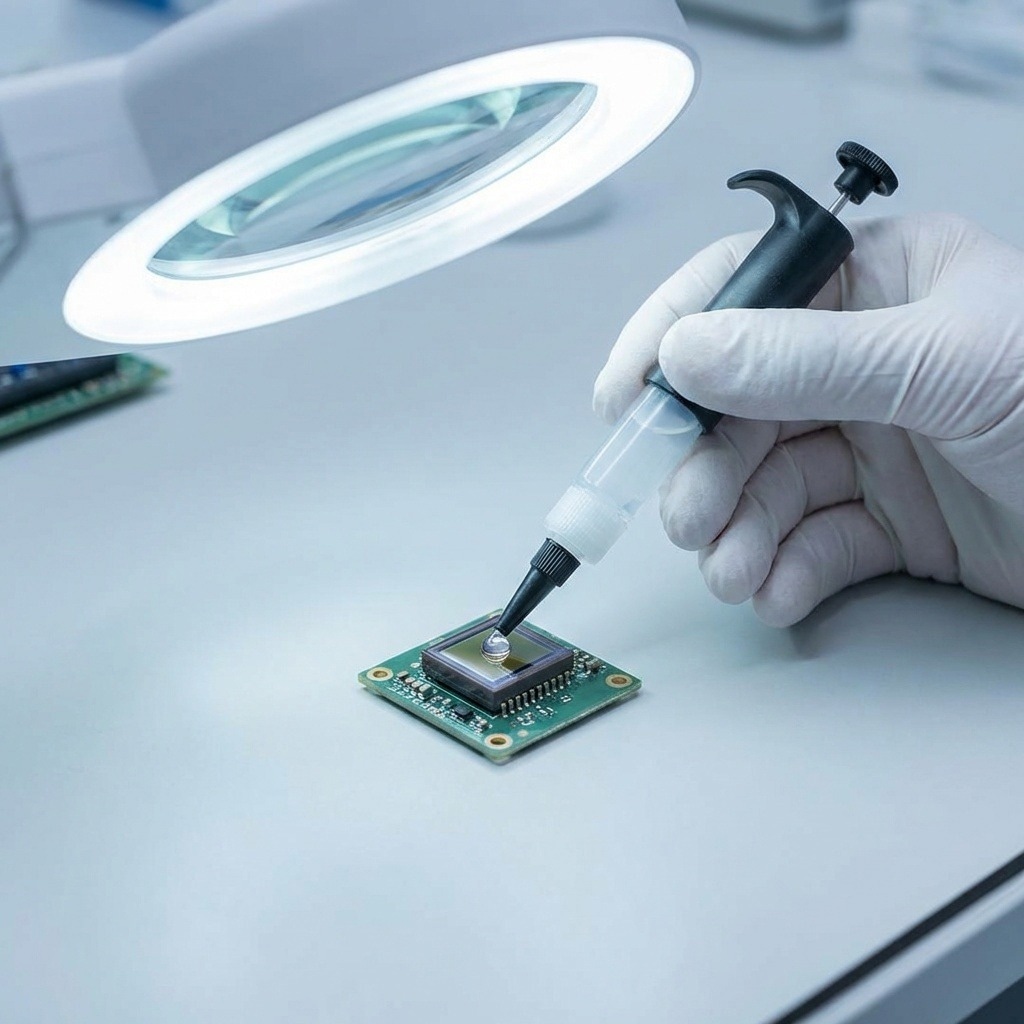
Epoxy and silicone compounds are critical to the functionality and longevity of a vast array of sensor devices that underpin modern technologies. Their primary role lies in bonding and protecting delicate sensor components, which is essential for both simplifying the complex fabrication processes and ensuring the consistent, reliable performance of these devices in their intended applications.
This protection is vital because sensors, regardless of their specific function (e.g., measuring temperature, pressure, acceleration), are often subjected to harsh conditions, including rough handling, extreme temperatures, chemical exposure, and mechanical stress. The reliability of epoxy and silicone as adhesives, encapsulants, and coatings directly impacts the sensor's ability to deliver accurate data over an extended lifespan.
This image was created with the assistance of Shutterstock AI
How do sensors contribute to our digitized world, and what role do adhesive compounds play in enabling this contribution?
Sensors form the very foundation of our digitized society, from everyday consumer electronics to mission-critical aerospace and medical equipment, for countless applications across all industries.
They provide crucial data about the physical world that drives smart devices and automated systems. Adhesive compounds help in facilitating the creation of reliable and durable sensor assemblies. They offer the necessary stability and protection against environmental factors that could otherwise compromise the sensor's accuracy and operational life.
Without these specialized adhesives, the sophisticated manufacturing methods required for modern sensors would be significantly more challenging, and the resulting sensors would be far less robust and dependable.
What performance requirements must adhesive compounds meet in sensor applications?
In sensor fabrication, adhesive compounds must fulfill a broad spectrum of demanding requirements, which often vary based on the intended application. For example, they must create strong and lasting bonds between different materials to ensure structural integrity.
Additionally, they may need to provide electrical insulation or conductivity depending on the design. Thermal stability is crucial, and in some cases, high thermal conductivity is required to prevent the adhesive from affecting sensor readings. These compounds must offer strong protection against environmental factors like moisture and chemicals, as well as physical stresses.
Based on the information we just discussed regarding temperature sensors, are there specific examples or studies that highlight the importance of adhesive properties like thermal conductivity and CTE in direct bonding applications?
Adhesive compounds play a critical role in helping to achieve accurate measurements in temperature-sensing devices. Traditional assembly methods can introduce inaccuracies due to heat dissipation when temperature sensors are placed on PCBs. To overcome this, directly bonding the temperature sensor to the processing circuitry offers a more effective approach. However, this direct bonding necessitates an adhesive with specific properties, as found in one study from a Fortune 500 company.
Here, the bonding agent had to exhibit high thermal conductivity to facilitate efficient heat transfer and prevent compromised temperature readings. Furthermore, it needed high electrical resistivity to ensure accurate sensor operation. The adhesive also required a suitable coefficient of thermal expansion (CTE) to maintain the integrity of the bond between the sensor and the circuit board, despite temperature fluctuations that cause the expansion and contraction of dissimilar materials.
In this study, Master Bond EP30LTE-LO provided both the required high thermal conductivity and a low CTE.
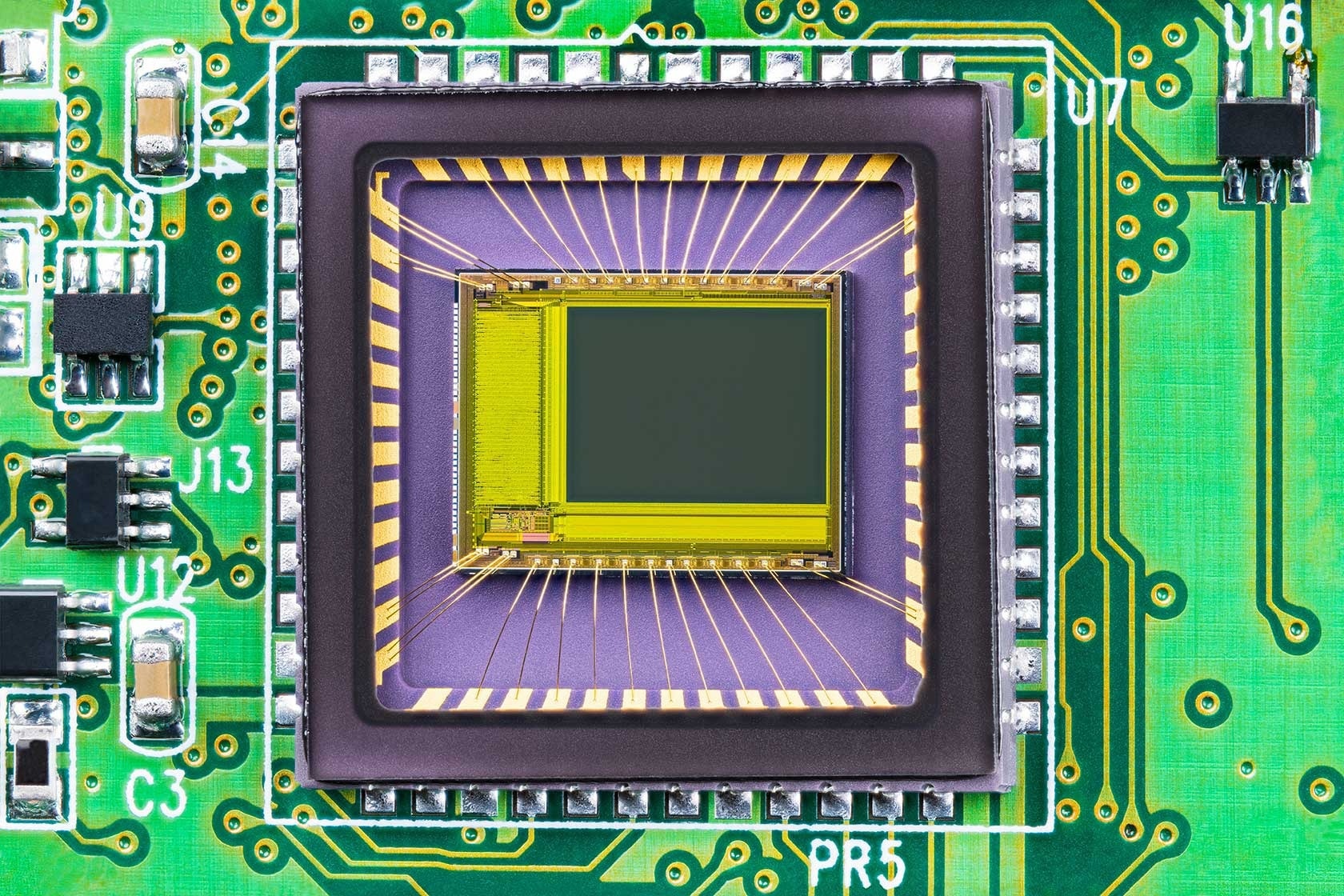
Image Credit: Shutterstock.com/PKixMining
Are there other specific case studies you can share?
Yes, readers can download this e-book, which highlights the role adhesives play in supporting sensor technology performance and delves into specific case studies from a variety of Fortune 500 companies, research institutions, and universities.
Image Credit: Master Bond Inc.
About Venkat Nandivada 
Venkat Nandivada has been the Manager of Technical Support at Master Bond Inc since 2010.
He has a Masters in Chemical Engineering from Carnegie Mellon University.
He analyzes application oriented issues and provides product solutions for companies in the aerospace, electronics, medical, optical, OEM and oil/chemical industries.

This information has been sourced, reviewed, and adapted from materials provided by Master Bond Inc.
For more information on this source, please visit Master Bond Inc.
Disclaimer: The views expressed here are those of the interviewee and do not necessarily represent the views of AZoM.com Limited (T/A) AZoNetwork, the owner and operator of this website. This disclaimer forms part of the Terms and Conditions of use of this website.