Stratosfy, an Ottawa-based startup, partnered with the University of Ottawa's Sedna Research Lab to develop automated temperature monitoring for commercial kitchens, replacing traditional manual logbooks.
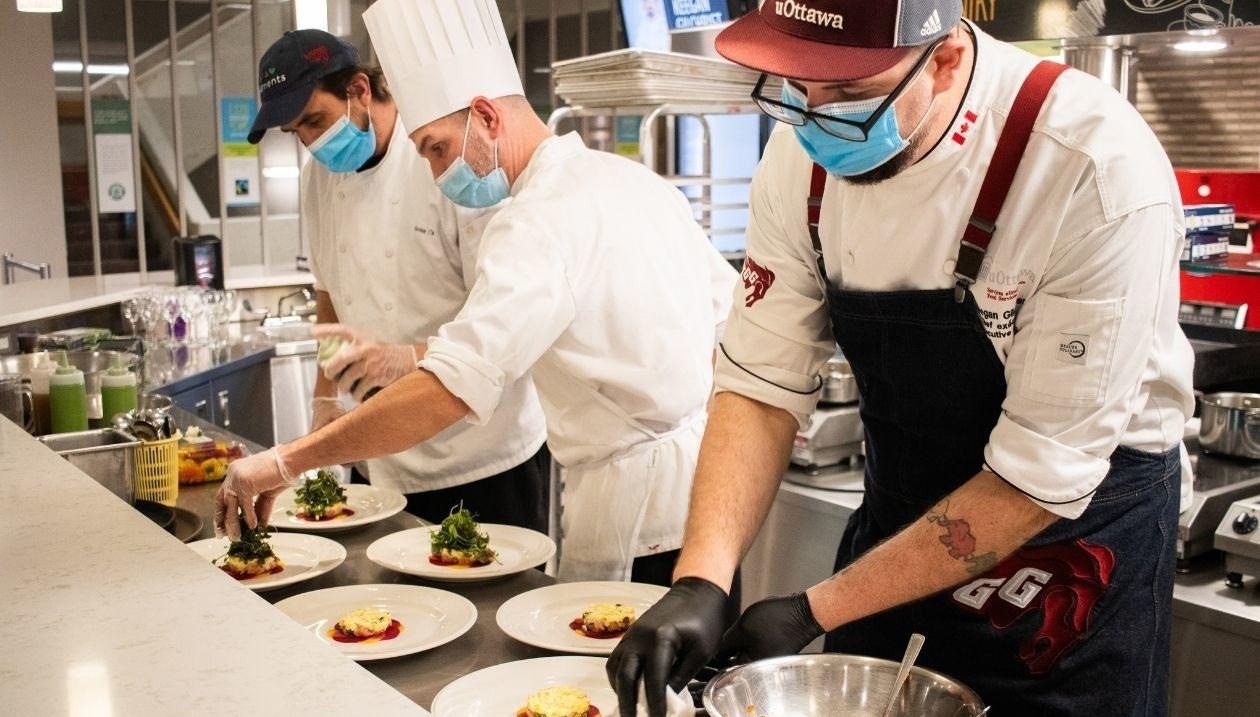 Image Credit: University of Ottawa
In professional kitchens, the daily preparation of thousands of meals demands uncompromising food safety standards.
The effects are now apparent. A pilot project implemented Stratosfy’s intelligent sensors in more than 30 fridges and freezers within the University Centre (UCU) food court. This replaced manual, paper processes with automatic reports, guaranteeing reliable compliance with food safety standards. The pilot's confirmation is a vital move for Stratosfy, enabling them to expand their technology for use in demanding settings.
This achievement is underpinned by extensive research. The Sedna Research Lab, situated within the Faculty of Engineering, focuses on developing trustworthy Internet of Things (IoT) systems and advanced software engineering solutions. The lab developed a simulator utilizing both real and synthetic data to rigorously stress-test Stratosfy’s backend infrastructure.
Sedna’s proficiency in model-driven engineering and compliance validation ensured that the technology met regulatory requirements, while also enhancing its analytical capabilities for predictive insights. Ultimately, this collaboration extended beyond hardware validation to fortify the software foundation for future AI-driven applications.
Innovation Support Services (ISS) at the University of Ottawa was instrumental in this collaboration. ISS ensured equitable benefit sharing between the industry partner and researchers involved in this significant undertaking. The primary objective of ISS is to foster partnerships between industry and academia, and this pilot project exemplifies the university's commitment to practical collaborations that translate conceptual ideas into tangible, real-world solutions.
Without the testing at uOttawa, we wouldn’t have had the starting point to validate and grow our company.
Madan Kanala, Founder, Stratosfy
The team is now exploring predictive systems that anticipate equipment failures before they occur, proof that local partnerships can drive innovation.