A new biohybrid sensor combines living bacteria with a magnesium antenna to simulate real-time molecular detection.
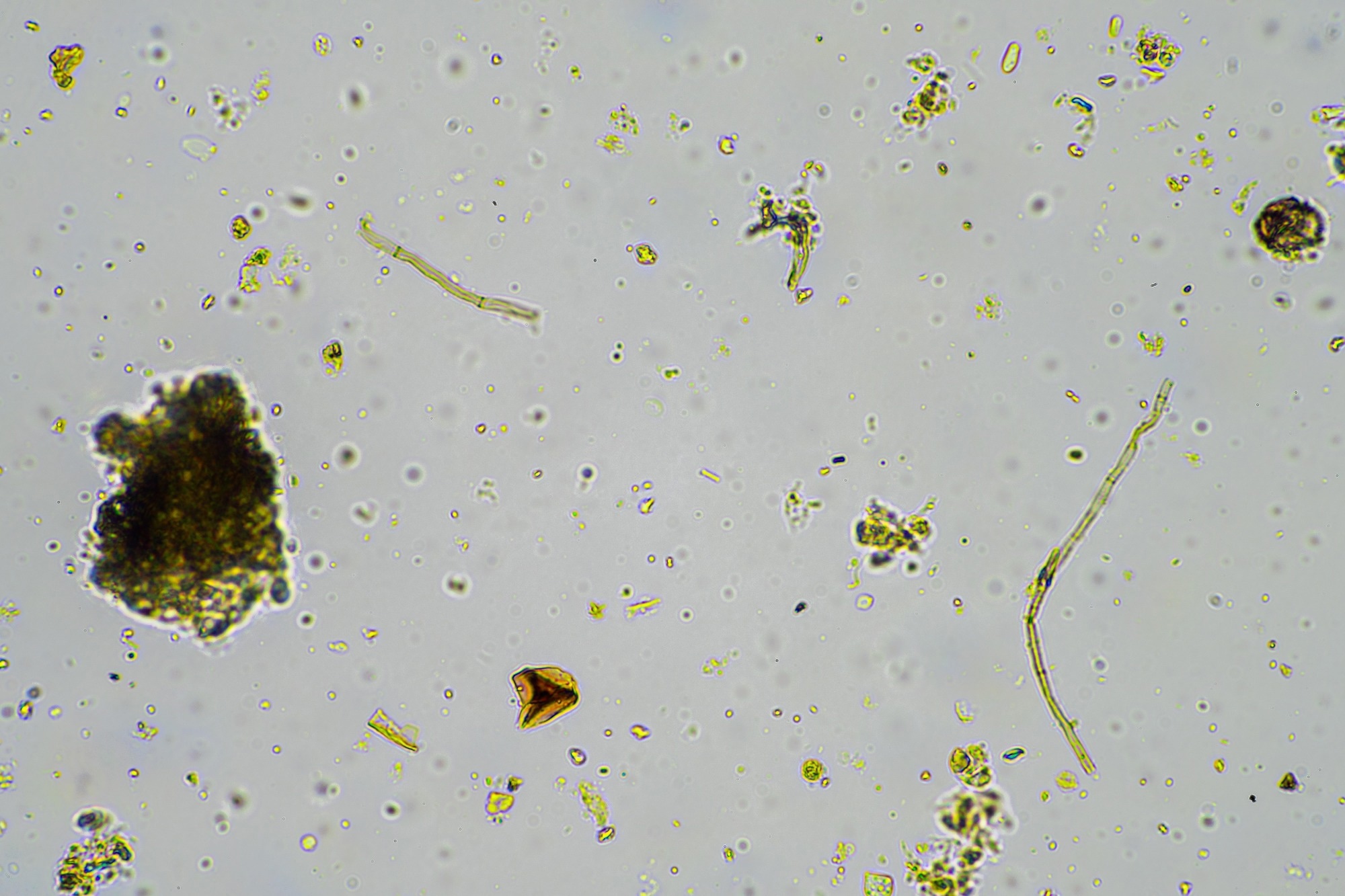 Study: Wireless in-body sensing through genetically engineered bacteria. Image Credit: William Edge/Shutterstock.com
Researchers demonstrated a wireless implant that uses genetically engineered bacteria to monitor internal biological changes, without needing batteries or onboard electronics.
The study was published in Nature Communications.
The growing demand for proactive healthcare has created interest in continuous, real-time monitoring of internal biomarkers.
While implantable sensors exist, most track physical parameters and cannot detect specific molecules in real time. Being able to do so is a crucial step in early disease detection.
To find a way around this, researchers are exploring engineered living cells as biosensors. Biological systems excel at recognizing molecular signals that electronic or optical devices struggle to detect.
Synthetic biology can reprogram cells to act as tailored sensors. The challenge is converting their molecular responses into signals that existing communication systems can transmit and interpret.
Get all the details: Grab your PDF here!
Bacteria + Antenna: A Biohybrid Sensor
The scientists' biohybrid sensor implant is made from engineered E. coli and a biodegradable magnesium antenna. The bacteria are programmed to accelerate magnesium degradation, which in turn shifts the antenna’s resonant frequency.
This frequency change can be tracked wirelessly using an external reader via passive backscatter communication - a method called AntennAlive.
No actual target molecule was tested in this proof-of-concept. Instead, the study demonstrated that bacteria could be used to simulate a detectable molecular response by controlling the rate of antenna degradation.
The researchers tested two conditions: one where the engineered bacteria expressed the cytochrome c maturation complex (CcmA-H) and another where the genetic circuit was disabled. The engineered cells degraded magnesium more quickly, reducing implant life from about 14 hours to eight, providing a measurable wireless signal.
Inside the Experimental Setup
The engineered strain, E. coli BL21 (DE3), was designed to express CcmA-H proteins that enable electron transfer to the magnesium surface.
This accelerates material breakdown through extracellular electron transfer (EET), a mechanism borrowed from naturally electroactive microbes.
The magnesium antenna was fabricated as a split-ring resonator on an 11 × 11 mm polystyrene substrate.
As the magnesium degraded, the ring structure transitioned to a segmented configuration, shifting its resonant frequency from ~1.16 GHz to ~1.91 GHz. This change was monitored by an on-body antenna placed 25 mm away in a muscle-mimicking phantom model.
The setup doesn't require any onboard power or chips, only the passive implant and external reader. A camera system provided visual feedback of degradation, which closely matched the electromagnetic signal data.
Significance and Next Steps
This is the first demonstration of a wireless link between a passive, cell-based implant and an external reader, enabling molecular-level sensing at implantable depths.
While this study simulated detection rather than measuring a real biomarker, it lays the groundwork for biosensors that can operate wirelessly and autonomously inside the body.
The authors emphasize that future work will involve: Integrating target-specific molecular recognition, adding genetic logic circuits for decision-making, and improving biocompatibility for safe, long-term use
Such systems could ultimately enable real-time, in-body monitoring of disease progression, drug responses, or early-stage health changes, without the need for invasive procedures or bulky electronics.
Journal Reference
Bilir, A., Yavuz, M., Seker, U. O. S., & Dumanli, S. (2025). Wireless in-body sensing through genetically engineered bacteria. Nature Communications, 16(1), 10432. DOI: 10.1038/s41467-025-65416-5
Disclaimer: The views expressed here are those of the author expressed in their private capacity and do not necessarily represent the views of AZoM.com Limited T/A AZoNetwork the owner and operator of this website. This disclaimer forms part of the Terms and conditions of use of this website.