Reviewed by Frances BriggsDec 9 2025Reviewed
New SMART-SEA system will provide sea-farers with intelligent data to prevent human error and slash marine collisions.
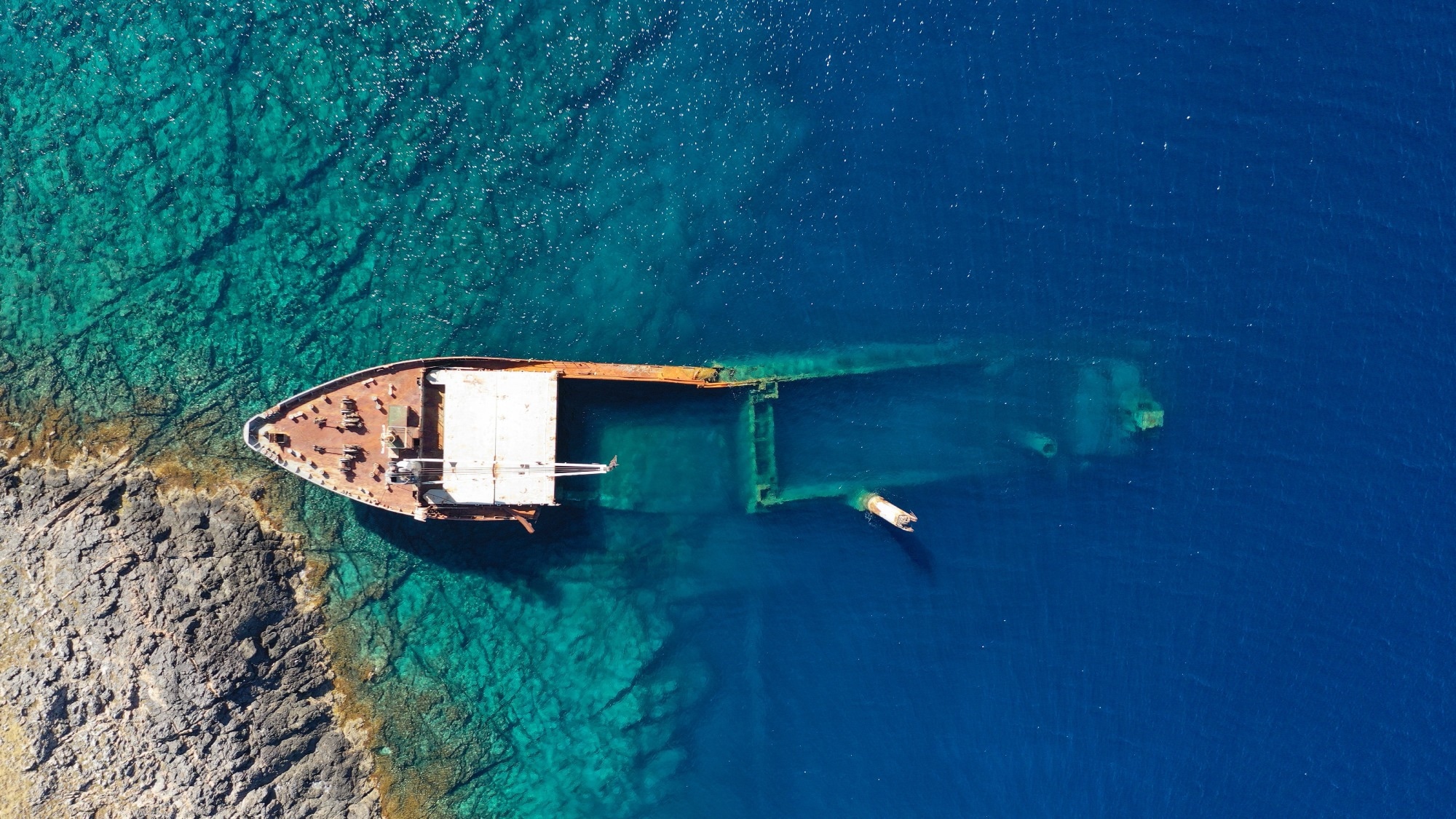 Study: SMART-SEA: Ship collision avoidance of stationary structures through integrated machine learning radar image detection and high fidelity maneuvering models. Image Credit: Aerial-motion/Shutterstock.com
Ocean engineering researchers at Texas A&M University are developing an intelligent system designed to mitigate collisions between marine vessels and stationary structures, as well as their associated costs.
By integrating raw radar imaging data with sophisticated machine learning techniques, these researchers have engineered SMART-SEA, a system providing mariners with immediate instructions on appropriate vessel maneuvering and timing.
Incidents involving marine vessels striking fixed structures, such as offshore oil platforms and abandoned wellheads, happen all the time. Just this week, a collision at sea caused bananas, avocados, and plantains to turn up on the English coast.
These impacts incur significant expenses, encompassing financial losses from damaged or lost cargo, as well as the potential for fatalities.
Researchers organized a focus group comprising Texas A&M Galveston faculty, many of whom possess prior seafaring experience, to ensure the system's practicality for seafarers. Further collaboration included industry specialists, the U.S. Navy, and the U.S. Coast Guard.
The collective expertise was instrumental in identifying essential decision-making protocols, such as determining when to yield and the appropriate degree of turn, and subsequently incorporating these into the SMART-SEA system.
Many of these collisions are caused by human error. By using data to provide seafarers with real-time instructions, we hope to reduce marine collisions.
Dr. Mirjam Fürth, Assistant Professor, Ocean Engineering, Texas A&M University
The SMART-SEA system is designed to furnish seafarers with optimal maneuvers for ensuring vessel safety, although it refrains from autonomously controlling movements. While SMART-SEA delivers this information visually on a dashboard, the seafarer retains full control over decision-making and vessel steering.
SMART-SEA generates maneuvering advice by utilizing two primary data inputs: unprocessed radar imagery and an assessment of vessel maneuverability.
This maneuverability is determined through a multi-level model incorporating seafarer expertise, advanced computational fluid dynamics simulations, and machine learning algorithms trained on historical vessel movement patterns.
The unprocessed radar images undergo processing via a machine learning utility designed to pinpoint and categorize static objects in the vessel's vicinity.
Following this identification, the system factors in the vessel's maneuverability characteristics and the seafarer's proficiency level to propose the most secure course of action for the vessel.
The research team conducted trials of SMART-SEA on the Texas A&M research vessel “Trident.” Initial findings from these tests indicate that the prototype holds promise for mitigating marine collisions.
SMART-SEA possesses the capability to identify stationary objects irrespective of weather conditions. Furthermore, seafarers are afforded the flexibility to select their preferred method for receiving this information, choosing between visual displays, auditory alerts, or a combination of both.
I do think SMART-SEA could reduce marine collisions and possibly pave the way for more autonomous vessels.
Dr. Mirjam Fürth, Assistant Professor, Ocean Engineering, Texas A&M University
Researchers are seeking additional funding to expand SMART-SEA testing to other vessels and implement system enhancements. Fürth suggests that the system's economical nature could facilitate its adaptation for recreational vessels, potentially reducing boating accidents.
I hope we get to continue this research in the future. I think we just scratched the surface.
Dr. Mirjam Fürth, Assistant Professor, Ocean Engineering, Texas A&M University
Journal Reference:
Deng, A. et al. (2025) SMART-SEA: Ship collision avoidance of stationary structures through integrated machine learning radar image detection and high fidelity maneuvering models. Process Safety and Environmental Protection. DOI:10.1016/j.psep.2025.107688.