Researchers have demonstrated a practical way to track ammonia (NH3) dynamics directly within cereal crop fields, using a low-power Internet of Things (IoT) sensor network designed for continuous monitoring.
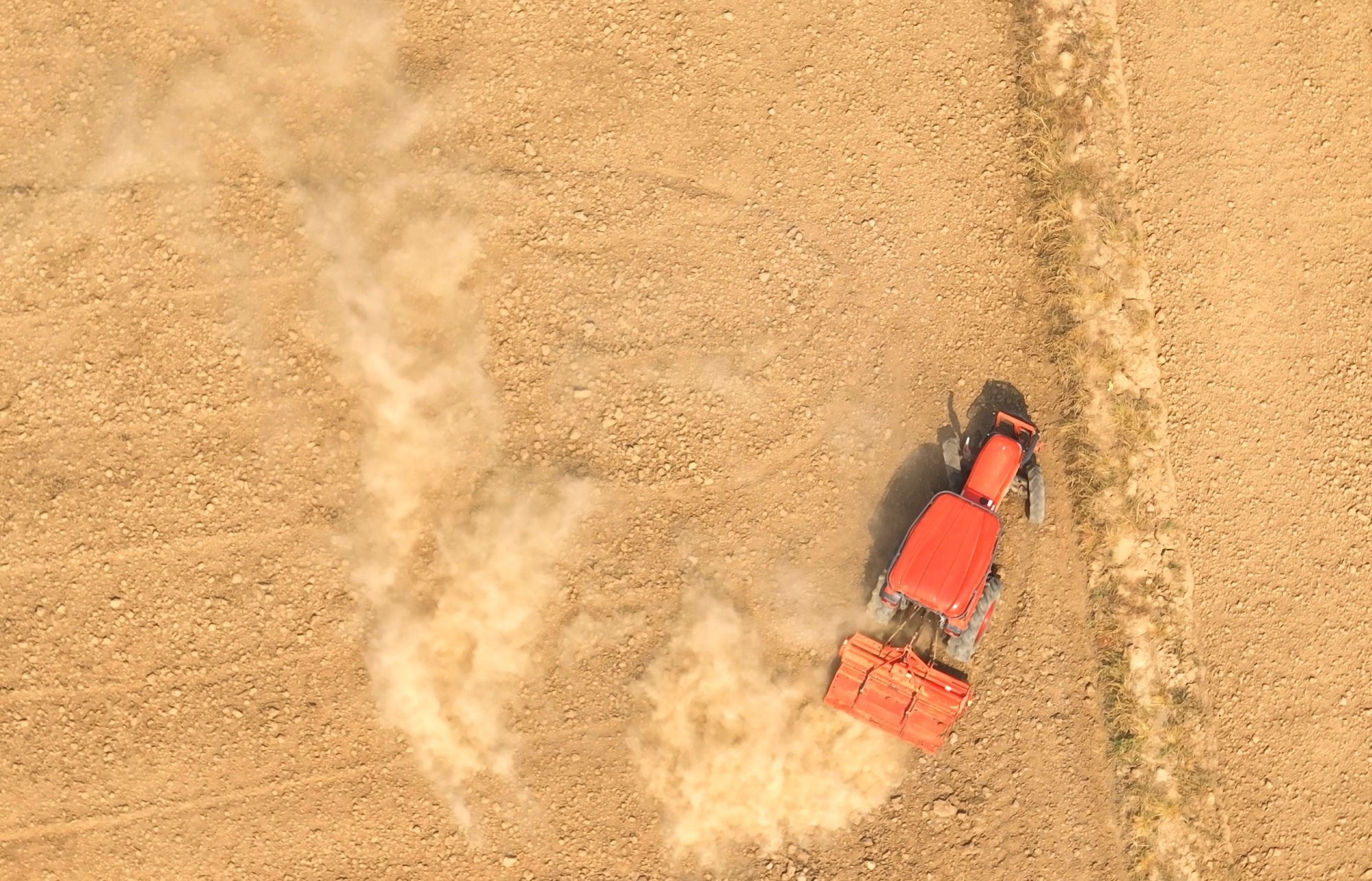 Study: Real-time monitoring of ammonia emissions from cereal crops using LoRaWAN-based sensing technology. Image Credit: Andromeda stock/Shutterstock.com
Reporting in Scientific Reports, the team shows how this approach can capture short-lived emission events that are often missed by conventional measurement techniques.
Ammonia is a significant agricultural air pollutant and a key precursor to fine particulate matter (PM2.5), posing serious risks to human health. It also represents an important pathway for nitrogen loss from fertilised fields, reducing nutrient-use efficiency and contributing to ecosystem damage through nitrogen deposition.
Despite its importance, ammonia remains challenging to monitor in real farming environments.
Standard chamber-based and micrometeorological methods are expensive, labour-intensive, and poorly suited to continuous, high-frequency measurements across entire growing seasons.
Get all the details: Grab your PDF here!
A Low-Power System Built For The Field
The researchers developed a LoRaWAN-connected Field Monitoring Laboratory that combines ammonia gas sensors with microclimate and soil measurements.
The system was deployed in winter wheat and winter barley fields in Mosonmagyaróvár, Hungary, across three growing seasons spanning 2020 to 2023.
Sensor nodes were installed within the crop canopy, 30 cm above the soil surface, to capture near-surface ammonia concentrations associated with volatilisation.
Measurements were recorded every ten minutes and transmitted wirelessly via a low-power wide-area network, allowing uninterrupted monitoring throughout the growing season with minimal energy demand.
Using low-cost sensors in outdoor agricultural settings presents well-known challenges, particularly in terms of sensitivity to temperature and humidity.
To address this, the team implemented a comprehensive calibration and quality assurance strategy. This included zero and span checks with certified ammonia standards, pre- and post-deployment drift assessments, temperature and humidity compensation based on co-located environmental data, and routine field bump tests to verify sensor response.
These measures were central to maintaining data reliability over long-term, multi-season deployments.
Clear Patterns Across Growing Seasons
Analysis of the multi-season dataset revealed marked interannual variability in ammonia concentrations and environmental conditions. Statistical testing confirmed significant differences between years, with the highest ammonia levels observed in 2020 (1.94 ppm) and 2021 (1.71 ppm).
Elevated ammonia concentrations consistently coincided with warmer air and soil temperatures, as well as higher rainfall. Principal Component Analysis revealed that air temperature, soil temperature, and soil moisture collectively explained nearly two-thirds (65.8%) of the total variability in the dataset, underscoring the combined impact of thermal and moisture conditions on ammonia dynamics.
Correlation analysis further indicated a moderate positive relationship between ammonia concentrations and soil moisture at both 20 cm and 40 cm depths, alongside a weak negative relationship with soil temperature at those depths.
These results point to complex, interacting drivers behind short-lived emission events.
What the System Can and Cannot Measure
The researchers emphasise that measurements were taken at a single height and location within the crop canopy. As a result, the system is best suited to detecting emission events and relative changes over time, rather than estimating absolute, field-scale ammonia fluxes.
Even so, the ability to resolve rapid changes at ten-minute intervals represents a substantial improvement over many existing monitoring approaches, providing valuable insight into the timing and conditions of ammonia release.
By combining continuous sensing, reliable calibration, and long-range wireless data transmission, the study demonstrates how IoT-based monitoring can support more informed nitrogen management in agriculture. High-temporal-resolution ammonia data could help align fertiliser practices more closely with environmental conditions, reducing nitrogen losses while supporting climate-smart farming strategies.
Journal Reference
Anikó N., Tarek A., et al. (2025). Real-time monitoring of ammonia emissions from cereal crops using LoRaWAN-based sensing technology. Scientific Reports. DOI: 10.1038/s41598-025-31661-3