A study published in Biochar reports a disposable, eco-friendly electrochemical sensor that uses biochar made from sewage treatment plant sludge to detect the antibiotic trimethoprim (TMP) in water, urine, and pharmaceutical tablets.
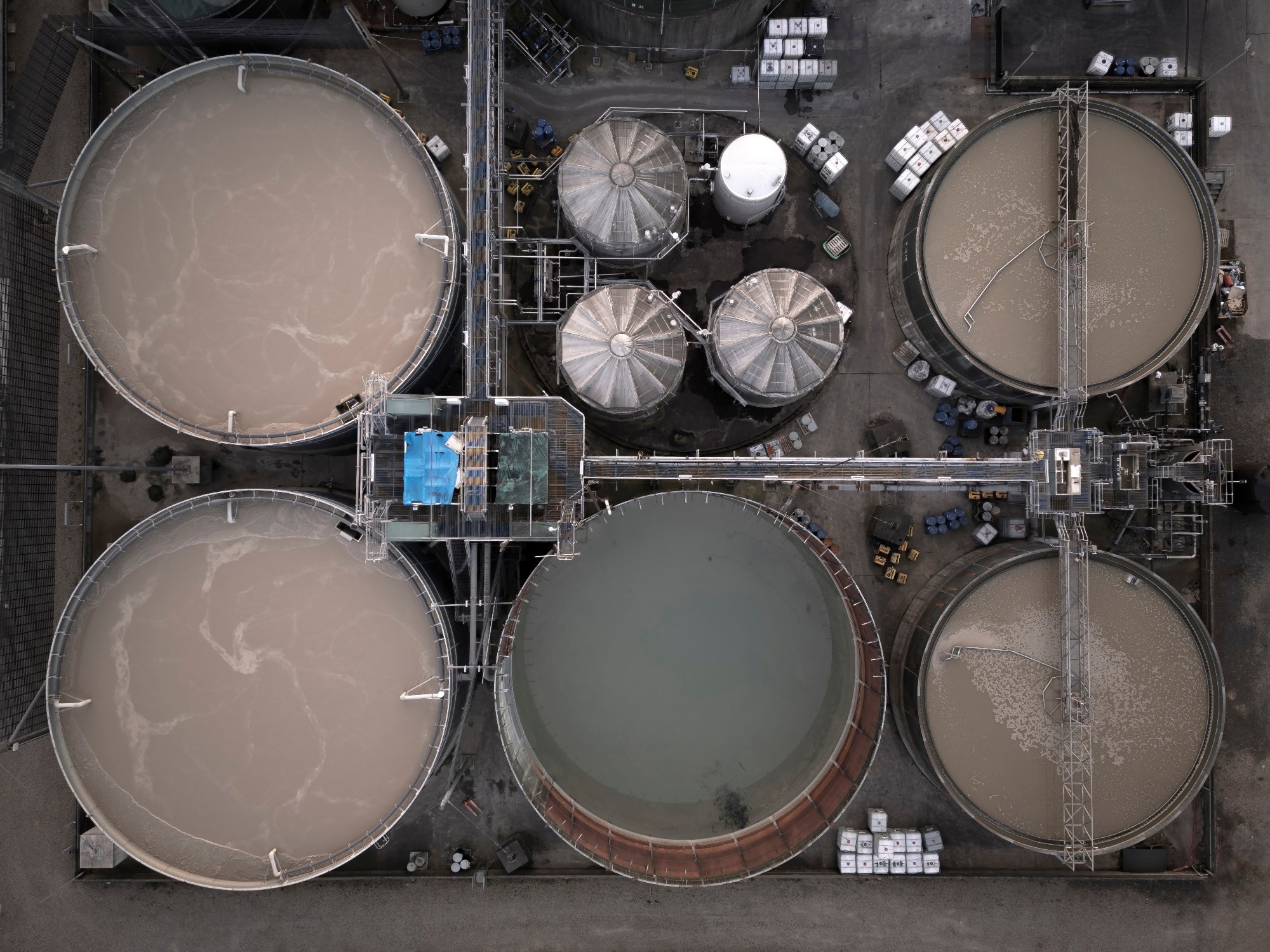 Study: Disposable eco-friendly electrochemical device for trimethoprim antibiotic determination using biochar from sewage treatment plant sludge. Image Credit: Chris Homer/Shutterstock.com
By combining waste-derived carbon materials with screen-printed electrode technology, the researchers demonstrate a low-cost and reliable approach to monitoring an emerging environmental pollutant.
Get all the details: Grab your PDF here!
Antibiotics are increasingly detected in aquatic environments as a result of human and veterinary use, pharmaceutical manufacturing, and incomplete wastewater treatment. Even at low concentrations, these compounds can affect aquatic organisms and contribute to the spread of antimicrobial resistance.
Trimethoprim, a widely used chemotherapeutic agent, is prescribed for urinary, intestinal, and respiratory infections and is often detected alongside other antibiotics in environmental and biological samples.
Its persistence and biological activity make it an ideal target for routine monitoring, particularly with tools that can operate outside centralized laboratories.
Sewage First Recycled into Biochar
Wastewater treatment produces large volumes of sludge that are commonly sent to landfill, composted, or incinerated. Often, these end-of-life options are costly or energy-intensive.
In this study, researchers investigated the potential of recycling the sludge instead, converting it from a treatment plant in Rio de Janeiro into biochar via slow pyrolysis.
During this process the sludge was dried and heated to 400 °C under a nitrogen atmosphere, producing a carbon-rich, mesoporous material. This moderate pyrolysis temperature preserves oxygen-containing surface functional groups, which are known to support adsorption and electrochemical reactivity – two key properties for sensing applications.
A Disposable Electrochemical Sensor
The biochar was used to modify a screen-printed carbon electrode (SPE), a platform widely valued for its low cost, portability, and suitability for single-use analysis.
Only a small amount of biochar (1 mg dispersed in water) was needed, with the suspension drop-cast directly onto the electrode surface.
Screen-printed electrodes are manufactured using printing techniques similar to those used in electronics, enabling scalable production and performance.
Their disposable nature also reduces contamination risks and eliminates the need for electrode regeneration or maintenance, though there are downsides to this disposability for long-term sustainability.
Detecting Antibiotics: How the Sensor Works
Electrochemical testing showed that the biochar-modified electrode (SPE/BC) significantly improved trimethoprim detection compared with an unmodified SPE. Impedance measurements revealed reduced charge-transfer resistance, while voltammetric studies showed enhanced oxidation currents for TMP.
The oxidation process was found to be irreversible and proton-coupled, consistent with previously reported trimethoprim electrochemistry.
The mesoporous structure of the biochar facilitates diffusion of the antibiotic to active sites on the electrode surface, supporting reliable signal generation.
Using differential pulse voltammetry, the sensor exhibited a linear response to trimethoprim concentrations between 1.75 and 231.43 µmol L-1, with a detection limit of approximately 71 nmol L-1.
Recovery tests in tap water, synthetic urine, and pharmaceutical tablets ranged from 92 % to 99 %, with no sample pretreatment required.
Selectivity tests showed minimal interference from commonly co-existing substances such as sulfamethoxazole, urea, and ascorbic acid, indicating that the sensor can operate effectively in complex sample matrices.
Balancing Sensitivity and Cost
Rather than competing with highly engineered sensors that rely on costly nanomaterials or multi-step fabrication, the SPE/BC device is positioned as a practical compromise. It offers broad linear range, sufficient sensitivity for real-world monitoring, simple preparation, and clear sustainability benefits.
By using sewage sludge as a raw material and avoiding chemical activation or complex modification steps, the approach aligns analytical performance with environmental and economic considerations.
The study demonstrates how waste-derived biochar can be integrated into modern electrochemical devices to address environmental monitoring challenges.
While the sensor was evaluated specifically for trimethoprim, the authors suggest that similar strategies could be applied to other micropollutants of concern.
Journal Reference
Fernandes, J. O. et al. (2026). Disposable eco-friendly electrochemical device for trimethoprim antibiotic determination using biochar from sewage treatment plant sludge. Biochar, 8(1), 7. DOI: 10.1007/s42773-025-00504-9
Disclaimer: The views expressed here are those of the author expressed in their private capacity and do not necessarily represent the views of AZoM.com Limited T/A AZoNetwork the owner and operator of this website. This disclaimer forms part of the Terms and conditions of use of this website.