As part of a broader effort to harness technology for conservation and resource management, a project by The Safari Collection in partnership with the Narok County Government and the Maasai Mara National Reserve’s Rhino Unit, has enabled camera-trap monitoring in some of the Mara’s most remote habitats. Led by award winning photographer, WillBurrard-Lucas, the project has revealed a hidden side of Kenya’s Maasai Mara, capturing rarely seen nocturnal wildlife activity in one of the reserve’s more remote and least understood habitats.
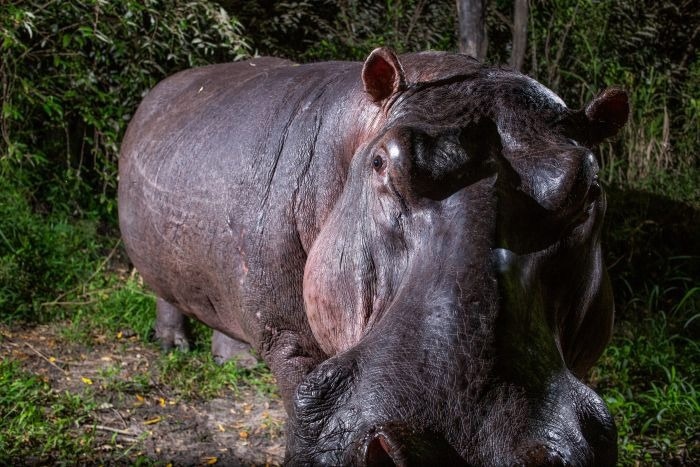 Image Credit: Will Burrard-Lucas
Working within a dense riverine corridor in a core rhino area, the project, developed over several months, recorded black rhinos, leopards and elephants moving through thick vegetation at night, alongside a rare sighting of greater kudu, not documented in the area for over a decade. The work has since been recognised on the world stage, with Burrard-Lucas named the winner of the Wildlife & Nature category at the Sony World Photography Awards 2026, held in London on 17 April (exhibition details HERE).
Discovering the Mara’s Hidden Biodiversity
A region that’s best known for the Great Migration, the Maasai Mara is revealed in this project as a far more complex ecosystem shaped by hidden corridors, forested landscapes and remarkable wildlife activity far beyond the open plains.
Through Burrard-Lucas’s images, the Mara emerges as layered, dynamic and ecologically diverse, revealing wildlife activity undetected by traditional safari experiences - a place whose story extends well beyond its most photographed moments.
Bringing Rhinos Back into the Picture
Based at Sala's Camp and guided by its team into some of the reserve's most remote terrain, Burrad-Lucas worked closely with the Maasai Mara National Reserve's Rhino Unit to strengthen rhino monitoring efforts in difficult-to-access habitats. The project forms part of a wider conservation effort that combines on-the-ground expertise with real-time tracking technology via EarthRanger.
Supported by The Safari Collection's Footprint Trust, EarthRanger is used by the Narok County Government's Mara Rhino Unit to track animal movements, coordinate ranger operations and build a more complete picture of how rhinos and other species move through the reserve.
According to Stephen Kenta, Rhino/Cheetah Warden in the Maasai Mara National Reserve, rhino sighting reports increased by 30 % in 2025, with 27 individual rhinos captured on the camera traps. Among the most important outcomes was the confirmation of Tipayo, a male black rhino not recorded since 2023, whose status was moved from probable to confirmed thanks to the camera-trap images.
A Collaboration with Real Impact
Will Burrard-Lucas said: “Most people know the Mara for its open grasslands and daytime wildlife viewing, but this project revealed a very different side of the ecosystem - a hidden, forested landscape that comes alive at night. None of this would have happened without the support of The Safari Collection, Footprint Trust and Sala’s Camp, whose knowledge of the area, relationship with the reserve management and commitment to conservation made the project possible.”
More than a striking photographic series, the project is a powerful example of how The Safari Collection and its Footprint Trust are helping shape conservation in the Maasai Mara, supporting work that protects wildlife, strengthens monitoring and brings fresh visibility to one of Africa’s most important ecosystems.