Women’s Health Monitoring: Why We Need it
Cutting-edge Technologies Transforming Disease Monitoring in Women’s Health
Commercial Landscape
Challenges and ongoing research
References
Across the globe, women’s health is being redefined by a new generation of sensors that address critical gaps in diagnostics, health monitoring, and personalized care.
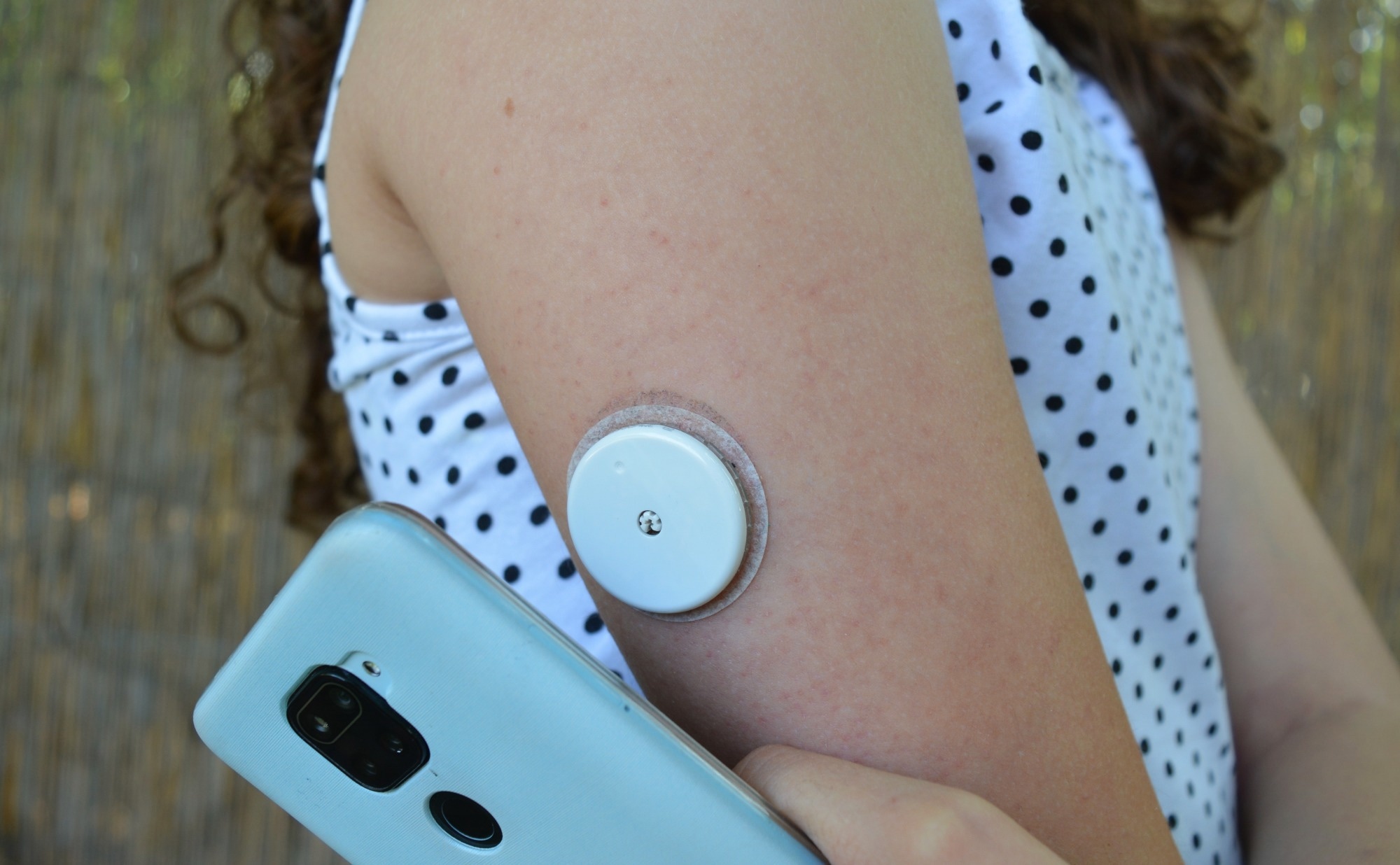 Image Credit: Dragoljub Bankovic/Shutterstock.com
Recent breakthroughs in biosensors and wearable device technology could overcome the limits in traditional healthcare monitoring, enabling earlier detection, continuous tracking, and individualized insights. These technological advances are not only transforming prevention and diagnosis but also empowering women to take greater control of their own well-being.
Women’s Health Monitoring: Why We Need it
Each year, 40 million women develop persistent pregnancy-related health conditions, often undiagnosed or untreated post-partum. According to the World Health Organization, 92 % of maternal deaths in low- and lower-middle-income countries are preventable with improved healthcare access, clinical guidelines, and robust reproductive health data.1
Gestational diabetes mellitus (GDM) is just one example. Driven by glucose intolerance and modifiable lifestyle factors, GDM occurs in approximately 14 % of pregnancies. This condition elevates postpartum type 2 diabetes risk tenfold, which can be managed using biometric wearables that continuously monitor relevant metrics.2
Bacterial vaginosis and vulvovaginal candidiasis are common vaginal infections that affect women’s sexual and reproductive health. Vaginitis is traditionally diagnosed by microscopy, pH assessment, and PCR, which require skilled personnel and are not suitable for at-home monitoring.3
Multiple studies have highlighted the importance of regular screening for breast abnormalities in women. Traditional gold-standard diagnostics, such as mammography and ultrasound, are effective for detecting these anomalies, but their widespread implementation is often limited by high costs and reliance on specialized healthcare infrastructure.
To address these challenges, miniaturized wearable imaging devices are being developed to enable earlier and faster diagnosis, and reduce patient anxiety associated with prolonged wait times.4
 Image Credit: Thanakorn.P/Shutterstock.com
Scientists have developed an extensive range of sensors to monitor various diseases more accurately and efficiently.
Current technology can detect subtle changes in physiological signals, such as hormone levels, temperature, and biomarkers in blood or saliva, providing real-time insights into a person’s health.
Advancements in wearable and implantable sensors are revolutionizing healthcare by enabling more proactive, tailored disease management.
Some of the important wearable smart sensors developed to monitor and diagnose women’s health are discussed below:5
Maternal and reproductive health
Recent years have seen significant progress in the development and deployment of wearable technologies to enhance maternal and reproductive health monitoring. These devices, including smartwatches and biosensor patches, enable continuous, non-invasive collection of key biometric parameters, such as basal body temperature, heart rate, sleep patterns, and glucose levels.
Pregnancy monitoring wearables track relevant biometrics, including heart rate, cardiac function via electrocardiogram (ECG) and transthoracic echocardiogram (TTE), uterine contractions, blood oxygenation, and sleep patterns.
Wrist-worn and intravaginal sensors can monitor temperature fluctuations indicative of ovulation or early pregnancy, while some biosensors can track metabolic markers relevant to GDM and other pregnancy complications.
Smart textiles are another example. Embedded with conductive fibers and sensors, these devices monitor uterine contractions, maternal respiration, and cardiac activity without discomfort.6
Commercial wearables like Abbott FreeStyle Libre Pro and Medtronic Guardian Connect, provide long-term tracking of glucose, heart rate, sleep, and physical activity, supporting GDM detection and pregnancy monitoring.
Integrating such wearables with mobile health platforms enables seamless data transmission from wearables to healthcare providers, fostering remote monitoring and timely clinical intervention.7
These platforms often feature user-friendly interfaces, automated alerts, and feedback mechanisms, empowering individuals to engage proactively with their reproductive health.
Hormonal monitoring
General biometric wearables, such as smartwatches and fitness trackers, provide valuable data but fail to capture the complexity of menstrual cycles, hormone therapies, or their physiological effects.
Integrating hormone biosensors into these platforms could both improve diagnostics and enable more personalized care.
Hormonal fluctuations, primarily progesterone, estradiol, follicle-stimulating hormone (FSH), estrone-3-glucuronide (E1G), cortisol, and pregnanediol glucuronide (PdG), govern the menstrual cycle and fertility.
Sweat-based nanobiosensors embedded in microfluidic wearables can non-invasively detect hormones, while aptamer-functionalized gold nanoparticles-MXene-based sensors offer picomolar sensitivity and enhanced predictive accuracy.8
Tissue abnormality
Breast imaging wearables now incorporate sensing antennas that transmit electromagnetic waves into tissue, analyzing reflected signals to distinguish healthy from malignant regions based on mechanical properties.
Advances in omnidirectional antenna design have decreased probe counts and improved user comfort, though technical complexity and the need for expert interpretation remain.
Ultrasound breast patches made from crystalline materials offer structural flexibility and compatibility with existing imaging standards, supporting the detection of cysts as small as 0.3 cm.9
Smart textiles provide a practical approach for everyday monitoring by embedding wireless sensors and textile-based antennas into fabrics and smart bras. These systems enable real-time measurement of tumor size and tissue abnormalities, are compatible with scalable textile manufacturing, and support autonomous health tracking via smartphone connectivity.
Vaginal infections
pH-based biosensors embedded in intravaginal rings, biosensing underwear, and waterproof electronic decals on tampons enable continuous, wireless transmission of vaginal fluid data to smartphones.
Even though these devices provide cost-effective, real-time monitoring, challenges remain regarding comfort, durability, sensor adhesion, and interference from biological fluids.
Advanced biosensors targeting pathogen-specific markers, such as thiolated aptamer-based AuNP sensors for Candida albicans, offer improved specificity but indicate usability barriers related to device complexity and user interpretation.10
Challenges and ongoing research
Despite these advances, challenges remain. Accurately interpreting complex biometric data and ensuring equitable access across diverse populations is particularly difficult.
Ongoing research is focused on refining sensor accuracy, enhancing data analytics, and incorporating professional guidance and telemedicine functionalities.
These studies aim to maximize the clinical utility of wearable technologies, improving overall maternal and fetal outcomes.
Despite known associations between hormonal changes and women-prevalent conditions, e.g., endometriosis, polycystic ovary syndrome (PCOS), osteoarthritis, and lung cancer, there are still no devices to monitor these disorders.
There are no real-time hormone tracking devices for endometriosis management or at-home testosterone monitors for PCOS. Estrogen, relevant to multiple conditions, also lacks dedicated wearable monitoring solutions.
References
- Maternal mortality. World Health Organization. 2025. Available at: https://www.who.int/news-room/fact-sheets/detail/maternal-mortality
- Phillips NE, et al. The metabolic and circadian signatures of gestational diabetes in the postpartum period characterised using multiple wearable devices. Diabetologia. 2025;68(2):419-432. DOI:10.1007/s00125-024-06318-x, https://link.springer.com/article/10.1007/s00125-024-06318-x.
- Sobel JD, Vempati YS. Bacterial Vaginosis and Vulvovaginal Candidiasis Pathophysiologic Interrelationship. Microorganisms. 2024;12(1):108. DOI:10.3390/microorganisms12010108, https://www.mdpi.com/2076-2607/12/1/108.
- Khan AQ, et al. Advances in breast cancer diagnosis: a comprehensive review of imaging, biosensors, and emerging wearable technologies. Front Oncol. 2025;15:1587517. DOI:10.3389/fonc.2025.1587517, https://www.frontiersin.org/journals/oncology/articles/10.3389/fonc.2025.1587517/full.
- Moghimikandelousi S, et al. Advances in biomonitoring technologies for women's health. Nat Commun. 2025;16(1):8507. DOI:10.1038/s41467-025-63501-3, https://www.nature.com/articles/s41467-025-63501-3.
- Di Tocco J, et al. A Wearable System with Embedded Conductive Textiles and an IMU for Unobtrusive Cardio-Respiratory Monitoring. Sensors (Basel). 2021;21(9):3018. DOI:10.3390/s21093018, https://www.mdpi.com/1424-8220/21/9/3018.
- Lin J, et al. Integrating Mobile Health App Data Into Electronic Medical or Health Record Systems and Its Impact on Health Care Delivery and Patient Health Outcomes: Scoping Review. JMIR. 2025;13:e66650. DOI:10.2196/66650, https://mhealth.jmir.org/2025/1/e66650.
- Ye C, et al. A wearable aptamer nanobiosensor for non-invasive female hormone monitoring. Nat Nanotechnol. 2024;19(3):330-337. DOI:10.1038/s41565-023-01513-0, https://www.nature.com/articles/s41565-023-01513-0.
- Du W, et al. Conformable ultrasound breast patch for deep tissue scanning and imaging. Sci Adv. 2023;9(30):eadh5325. DOI:10.1126/sciadv.adh5325, https://www.science.org/doi/10.1126/sciadv.adh5325.
- Clack K, et al. Instant Candida albicans Detection Using Ultra-Stable Aptamer Conjugated Gold Nanoparticles. Micromachines (Basel). 2024;15(2):216. DOI:10.3390/mi15020216, https://www.mdpi.com/2072-666X/15/2/216.
Disclaimer: The views expressed here are those of the author expressed in their private capacity and do not necessarily represent the views of AZoM.com Limited T/A AZoNetwork the owner and operator of this website. This disclaimer forms part of the Terms and conditions of use of this website.