Immuno-infrared sensor analysis of blood and cerebrospinal fluid detects amyloid-beta and alpha-synuclein misfolding years before symptoms, supporting early screening, therapy monitoring, and preventive neurodegenerative disease care in routine clinical workflows.
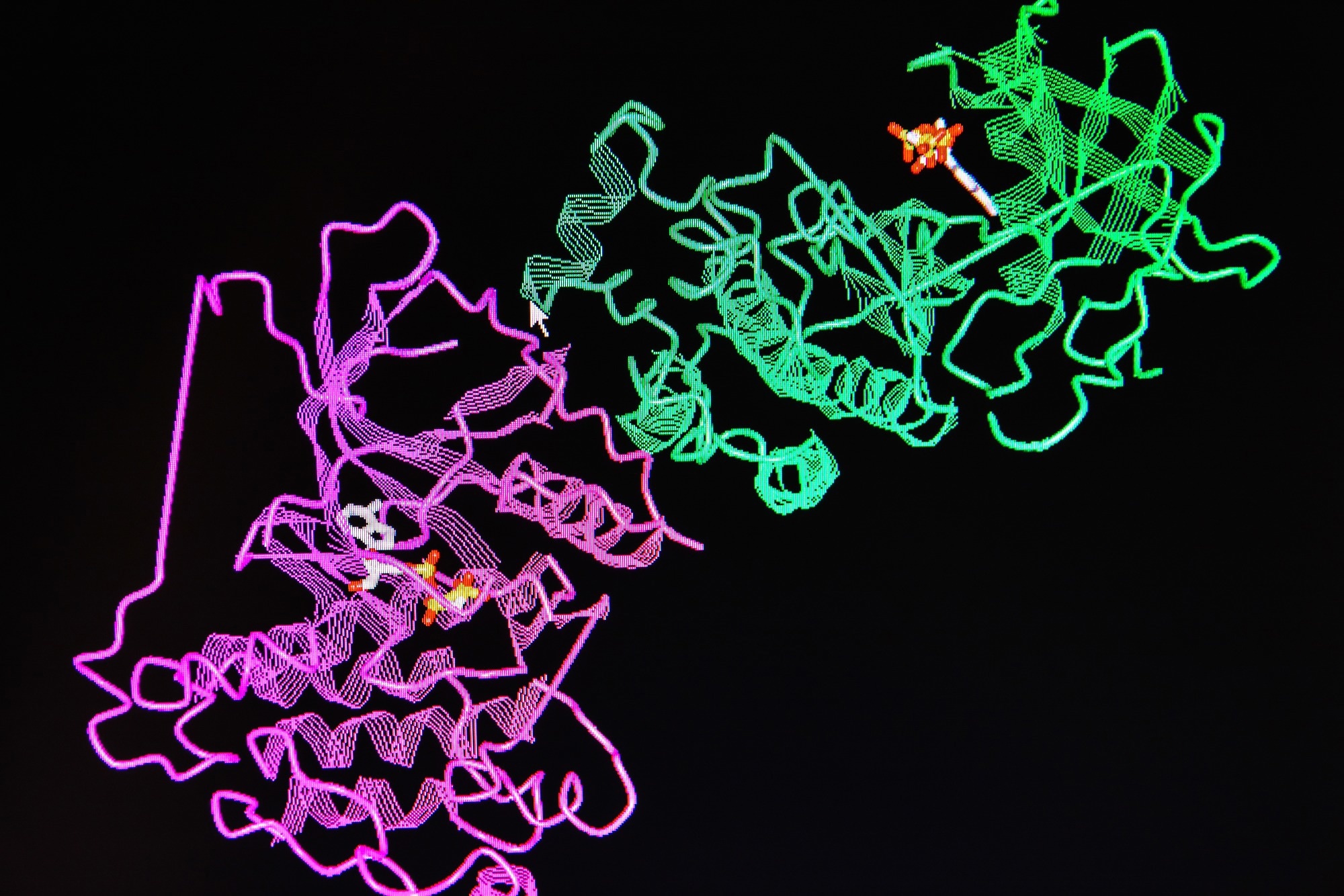 Study: An Immuno-Infrared Sensor Detects Preclinical Alzheimer’s and Parkinson’s Disease by Protein Misfolding. Image Credit: Sergei Drozd/Shutterstock
In a recent advancement in biomedical materials science, researchers developed a novel diagnostic platform for detecting Alzheimer’s and Parkinson’s diseases before clinical symptoms appear. Their study, published in The Journal of Physical Chemistry B, introduced an immuno-infrared sensor (iRS) designed to precisely identify structural changes in biomarker proteins within blood plasma and cerebrospinal fluid.
By analyzing protein conformation rather than concentration, this technique can detect molecular abnormalities years before symptoms appear, thereby offering a scalable, minimally invasive approach for early disease screening and therapeutic intervention.
Challenges in Current Diagnostic Approaches
Traditional diagnoses of neurodegenerative diseases often occur only after noticeable symptoms appear. By this stage, irreversible neuronal damage has already occurred due to protein aggregates, including amyloid beta plaques in Alzheimer’s and alpha synuclein Lewy bodies in Parkinson’s disease. Conventional diagnostic approaches, such as Positron Emission Tomography (PET) imaging and cerebrospinal fluid analysis, primarily measure changes in protein concentration that become apparent only after pathology is established. Therefore, their effectiveness for detecting disease during symptom-free stages is limited.
The disease processes begin much earlier with structural changes in proteins. Healthy proteins misfold from normal conformations into toxic beta-sheet-rich structures that aggregate into larger assemblies. In Alzheimer’s, this forms amyloid-beta oligomers and fibrils, while in Parkinson’s, it leads to alpha-synuclein aggregation. Detecting these changes offers a way for preclinical diagnosis before significant neurological damage develops.
Bio-Chemical Based Advanced Sensor:
To address the limitations of conventional methods, researchers developed iRS based on specialized surface chemistry and solid-state materials. The sensing platform employs an attenuated total reflection (ATR) crystal as its optical foundation. To create a selective detection surface, the crystal was modified through a multi-layer functionalization process.
First, the crystal surface is coated with a covalently bonded organic matrix that serves as a chemical scaffold. A blocking layer is added to prevent protein adsorption from complex biological samples. This layer is cross-linked using partially lysed casein to create a stable protective network. Finally, a bifunctional linker containing N-hydroxysuccinimide (NHS) ester groups is used to attach high-affinity monoclonal antibodies to the sensor surface.
The platform operates through a continuous microfluidic system with four independent channels distributed across two ATR crystals. When untreated blood plasma or serum flows through the device, the immobilized antibodies selectively capture target proteins and their aggregates. Furthermore, detection is performed using quantum cascade lasers that generate intense infrared radiation. This allows the sensor to identify protein changes even within the highly absorbing aqueous environment of biological fluids.
Spectroscopic Insights into Protein Misfolding
The outcomes showed that iRS determined the structural states of amyloid-beta and alpha-synuclein by measuring changes in protein secondary structure via infrared spectroscopy. The key measurement was the Amide I absorption band, which reflects carbonyl stretching vibrations along the protein backbone.
In healthy individuals, the Amide I peak is centered near 1652 cm-1, indicating normal alpha-helical and random-coil structures. As neurodegenerative diseases develop, these proteins increasingly adopt beta-sheet-rich conformations, shifting the Amide I peak downward to approximately 1624 cm-1, signaling the formation of oligomers and fibrillar aggregates.
Analysis of long-term clinical biobank samples demonstrated that the sensor could predict the onset of Alzheimer’s disease up to 17 years before conventional clinical diagnosis, achieving an Area Under the Curve (AUC) of up to 0.82. Among participants with subjective cognitive decline, predictive performance increased to an AUC of 0.94, with predictions made up to 6 years before formal diagnosis. For Parkinson’s disease and related synucleinopathies, the sensor distinguished affected individuals from healthy controls with 97% sensitivity and 92% specificity, achieving an overall AUC of 0.90.
Implications for Drug Development and Monitoring
The clinical importance of the iRS extends beyond early screening to drug development and long-term treatment monitoring. Its quantum cascade laser-based detection system supports parallel, high-throughput analysis, making the platform suitable for large-scale clinical and pharmaceutical applications. Researchers noted that the technology is being used by BetaSENSE to evaluate experimental neuroprotective therapies, including vaccine candidates for Parkinson’s disease. By tracking changes in protein conformation over time, the sensor provides a label-free method for assessing treatment responses and determining whether a therapy can slow, prevent, or reverse pathological protein misfolding.
Towards a New Era of Preventive Healthcare
In summary, the iRS represents a significant shift from symptom-based diagnosis toward earlier detection of neurodegenerative diseases. By measuring disease-related protein misfolding before clinical symptoms emerge, the technique offers a promising approach for preventative screening and timely therapeutic intervention.
Download the PDF of this page here
The study also demonstrated strong analytical stability, with a root-mean-square noise level of only 0.000025 absorbance units. Future development will focus on meeting the regulatory and validation requirements of the European In Vitro Diagnostic Regulation. Successful approval could enable the integration of this blood-based test into routine preventive healthcare, providing a more accessible and cost-effective method for identifying and monitoring neurodegenerative diseases at their earliest stages.
Journal Reference
Gerwert, K., & et al. (2026). An Immuno-Infrared Sensor Detects Preclinical Alzheimer’s and Parkinson’s Disease by Protein Misfolding. The Journal of Physical Chemistry B, 130(18). DOI: 10.1021/acs.jpcb.6c00433, https://pubs.acs.org/doi/10.1021/acs.jpcb.6c00433
Disclaimer: The views expressed here are those of the author expressed in their private capacity and do not necessarily represent the views of AZoM.com Limited T/A AZoNetwork the owner and operator of this website. This disclaimer forms part of the Terms and conditions of use of this website.