Fainting, vomiting, or just feeling wholly uncomfortable – isn't it time we diagnosed without taking blood? Needle-free diagnostics is an emerging approach in healthcare that captures clinically relevant data without relying on phlebotomy.
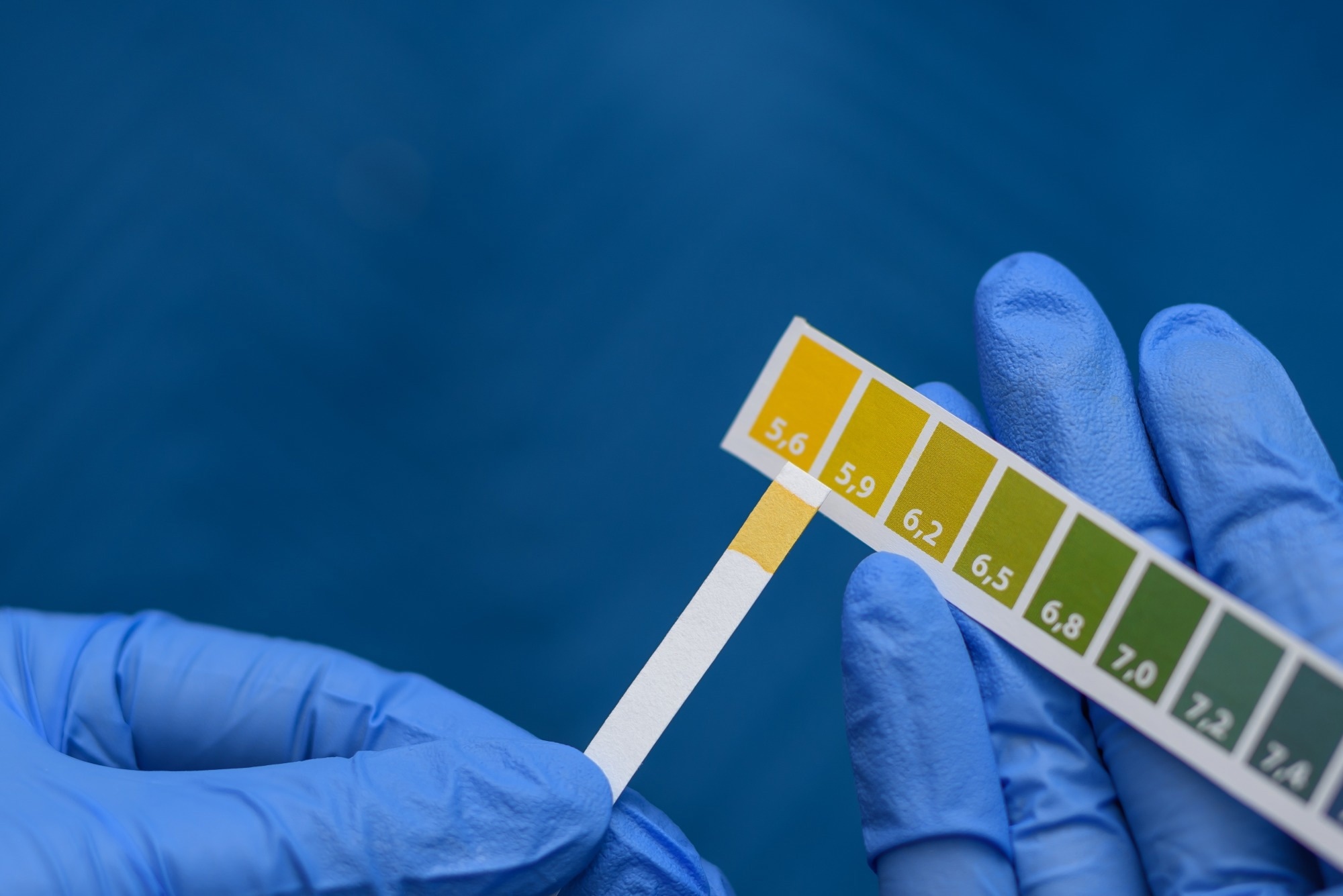 Image Credit: PawelKacperek/Shutterstock.com
By combining advanced materials, microelectronics, biosensing technologies, and data analytics, these systems extract signals from the skin and alternative biofluids such as sweat, saliva, or interstitial fluid.
The result is a less invasive form of testing that can deliver faster feedback and enable more frequent, longitudinal monitoring. Adding extra value, these technologies can extend diagnostic capabilities to settings where access to trained clinicians and centralized laboratory infrastructure is limited.
Get all the details: Grab your PDF here!
Conventional diagnostics depend heavily on venous blood draws, which require trained staff, sterile environments, and laboratory infrastructure. These processes introduce delays, increase costs, and restrict access in low-resource settings, such as rural clinics or home monitoring.
On top of this, needle-based sampling can deter individuals from routine testing from unwanted pain, anxiety, or needle phobia, which in turn results to poor adherence to monitoring schedules.1,2
Needle-free and noninvasive diagnostic approaches aim to address these issues by using gentler sampling methods that require smaller volumes and can be integrated into everyday objects or wearable biosensors.
These systems are designed to operate close to the patient, often at the point of care, providing rapid results and minimizing manual sample handling, which supports more frequent measurements vital for managing conditions like diabetes and cardiovascular risks.1,2,3
Another important motivation is equity in access. Platforms that use capillary or interstitial fluid, or even saliva or breath, enable screening and monitoring in communities without full laboratory support.
As noninvasive biomarker panels expand, health systems can implement broader population-level screening programs for various diseases without overwhelming existing laboratory capacity.3,4,5
Rethinking Diagnostic Samples: Biofluids Powering Needle-Free Diagnostics
The search for needle-free diagnostics requires careful attention to biofluid selection and the relationship between local measurements and systemic disease states.
Interstitial fluid, saliva, sweat, exhaled breath, and even tears all carry molecular information, but each presents unique advantages and technical challenges.3,4,5
Interstitial Fluid as a Foundation for Minimally Invasive and Wearable Biosensors
Interstitial fluid, which exists in extracellular spaces and directly diffuses from blood vessels, has garnered attention in recent years for its potential in healthcare and biomedical applications.
A recent Communications Materials report on interstitial fluid-based wearable biosensors describes their relatively large volume, reduced cell interference, and strong clinical relevance for metabolites and some drugs.
Microneedle arrays, reverse iontophoresis patches, and microdialysis devices can all collect this fluid from the skin with minimal discomfort while ensuring accurate readings.3
Saliva and Liquid Biopsies for Noninvasive Cancer Diagnostics
Saliva and other liquid biopsies provide options for needle-free cancer detection. Research on noninvasive screening for oral squamous cell carcinoma includes saliva-based tests, optical detection, and microfluidic systems that gather information from cellular materials, genes, and microbiome profiles.
Other noninvasive cancer markers, such as circulating tumor DNA, exosomal cargo, and other metabolites from easily collected fluids, can also help in early detection and patient classification. These methods can simplify sample collection while offering detailed molecular information.4,5
Technological Pathways to Needle-Free and Noninvasive Diagnostics
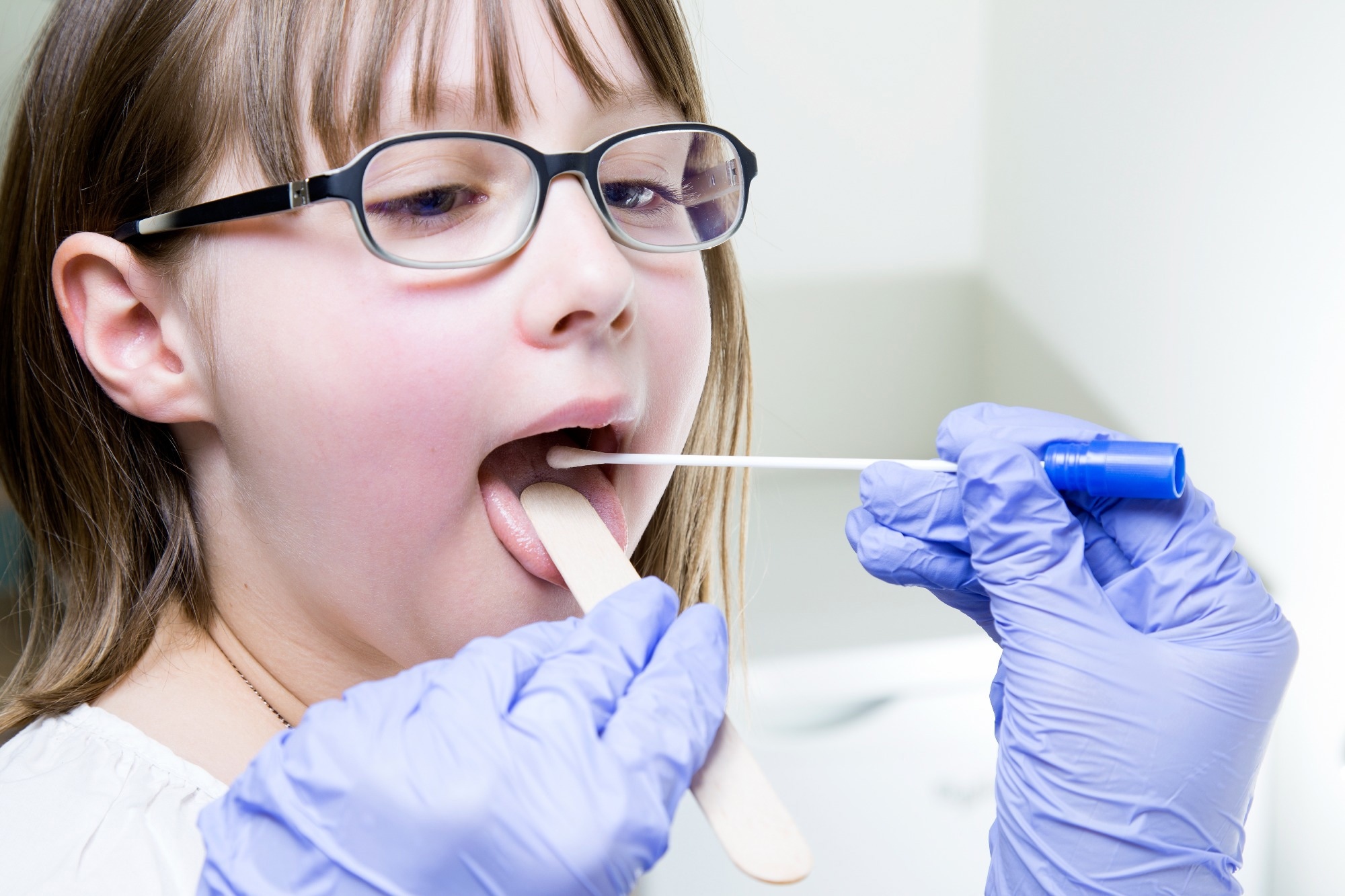 Image Credit: Doro Guzenda/Shutterstock.com
There are two main approaches to needle-free diagnostics. One involves using microneedles or nanoelectronic systems to collect blood or fluid without needles. The other focuses on detecting biomarkers and physiological signals through sensors in wearables or contact devices using methods like optics or electrochemistry.1,2,3
Microneedle Platforms Enabling Needle-Free Biomarker Detection
Microneedle platforms demonstrate this convergence of form factor, materials, and sensing. These solid or hollow microneedles made from polymers, silicon, or metals can enter only the outer layers of the skin, reaching capillaries without causing pain in deeper tissues.
A recent work published in ACS Nano introduced a “bloodless” blood test using microneedles with silicon nanowire sensors that detect protein biomarkers in the skin without needing blood samples. This system integrates multiple sensors in each needle, improving diagnostic accuracy while keeping patient comfort in mind.1
Wearable Biosensors for Continuous, Noninvasive Health Monitoring
Wearable biosensors form another key pathway for needle-free diagnostics. They can continuously measure physiological and biochemical data using flexible electronics, skin-compatible substrates, and wireless communication modules.
These systems also manage power, process data, and can include basic algorithms for identifying unusual patterns, converting raw sensor data into useful clinical information.2
Noninvasive optical sensing provides a complementary approach that completely avoids skin penetration in some applications.
Recent developments in noninvasive glucose monitoring have shown that spectroscopy-based devices can estimate blood glucose levels through the skin effectively. Additionally, optical detection can aid in cancer screening and diagnosing oral diseases by identifying unusual lesions without the need for biopsies.
These methods depend on advanced modeling and signal processing to distinguish weak diagnostic signals from background variations in tissue and illumination conditions.4,6
Noninvasive Biomarkers, Data Analytics, and Clinical Decision-Making
The move toward needle-free diagnostics depends on effective biomarker methods that link measurement sites and types to important clinical questions. Selecting reliable biomarkers found in fluids like interstitial fluid or saliva that track disease progression or treatment response remains a core scientific challenge.3,4,5
Noninvasive cancer biomarkers, such as circulating tumor DNA and metabolites, can be obtained through liquid biopsy methods that use small sample volumes. These markers help in the early detection and classification of cancer types.
In parallel, the EJMR report highlights advances in oral cancer screening that use microfluidic devices, nano-detection, and artificial intelligence (AI) analysis to enhance sensitivity and specificity in complex saliva samples. These examples show that biomarker design and analysis must evolve together when replacing traditional blood draws or biopsies.4,5
Needle-free and minimally invasive sensors also generate longitudinal datasets that differ from occasional laboratory measurements. Continuous or high-frequency sampling captures dynamic patterns, such as circadian rhythms, drug pharmacokinetics, and transient pathophysiologic events, that static measurements can miss.
New wearable platforms use algorithms to reduce noise and adjust for movement, turning raw data into useful health indicators. For effective use, this data must work with electronic health records and support decision-making in healthcare.2,3,6
Saving this article for later? Grab a PDF here.
Challenges and the Future of Needle-Free Diagnostic Technologies
Needle-free diagnostics, including wearable and microneedle systems, face important technical, regulatory, and practical challenges that shape their future adoption. Key concerns include ensuring accuracy across different skin types and environmental conditions, and maintaining sensor performance during extended use.
Noninvasive optical devices need to account for factors such as skin pigmentation and hydration, which can affect measurement accuracy, requiring sophisticated modeling and validation across diverse populations.2,3,6
Validation against established standards is also essential. The “bloodless” microneedle nanoelectronics study compares intradermal measurements with conventional venous assays and reports a strong correlation for protein biomarkers.
However, for interstitial fluid wearables, larger clinical studies are needed to assess not only performance but also clinical relevance and user experience. Additionally, issues related to sample handling and regulatory standards must be addressed for cancer biomarker applications.1-5
Patient acceptance, usability, and cost will influence how quickly needle-free diagnostics move into routine care. Wearable and patch-based systems aim for skin-friendly materials, comfortable form factors, and straightforward application to encourage adherence.
As manufacturing methods mature, scalable production of microneedle arrays, flexible circuits, and integrated sensor modules can reduce costs and support deployment in both high-income and resource-limited settings.1,2,5,6
References and Further Reading
- Harpak, N. et al. (2022). The “Bloodless” Blood Test: Intradermal Prick Nanoelectronics for the Blood Extraction-Free Multiplex Detection of Protein Biomarkers. ACS Nano. DOI:10.1021/acsnano.2c01793, https://pubs.acs.org/doi/10.1021/acsnano.2c01793
- Mukherjee, M. D. et al. (2025). Wearable biosensors in modern healthcare: Emerging trends and practical applications. Talanta Open, 12, 100486. DOI:10.1016/j.talo.2025.100486, https://www.sciencedirect.com/science/article/pii/S2666831925000888
- Wu, Z. et al. (2024). Interstitial fluid-based wearable biosensors for minimally invasive healthcare and biomedical applications. Communications Materials, 5(1), 33. DOI:10.1038/s43246-024-00468-6, https://www.nature.com/articles/s43246-024-00468-6
- Wang, S. et al. (2023). Current advances in noninvasive methods for the diagnosis of oral squamous cell carcinoma: A review. European Journal of Medical Research, 28, 53. DOI:10.1186/s40001-022-00916-4, https://link.springer.com/article/10.1186/s40001-022-00916-4
- Zakari, S. et al. (2024). Emerging biomarkers for non-invasive diagnosis and treatment of cancer: A systematic review. Frontiers in Oncology, 14, 1405267. DOI:10.3389/fonc.2024.1405267, https://www.frontiersin.org/journals/oncology/articles/10.3389/fonc.2024.1405267/full
- Kaluza, M. et al. (2025). Clinical validation of noninvasive blood glucose measurements by midinfrared spectroscopy. Communications Medicine, 5(1), 509. DOI:10.1038/s43856-025-01241-7, https://www.nature.com/articles/s43856-025-01241-7
Disclaimer: The views expressed here are those of the author expressed in their private capacity and do not necessarily represent the views of AZoM.com Limited T/A AZoNetwork the owner and operator of this website. This disclaimer forms part of the Terms and conditions of use of this website.