How quickly can we identify dangerous bacteria in food before they cause irreversible harm? In an era where hours can mean the difference between effective treatment and an escalating infection, the ability to rapidly and accurately detect pathogenic bacteria has become a critical challenge in modern diagnostics. From food safety outbreaks to clinical infections, conventional detection methods often struggle to deliver timely results, underscoring the need for innovative technologies that operate at smaller scales and faster speeds, closer to the point of care.
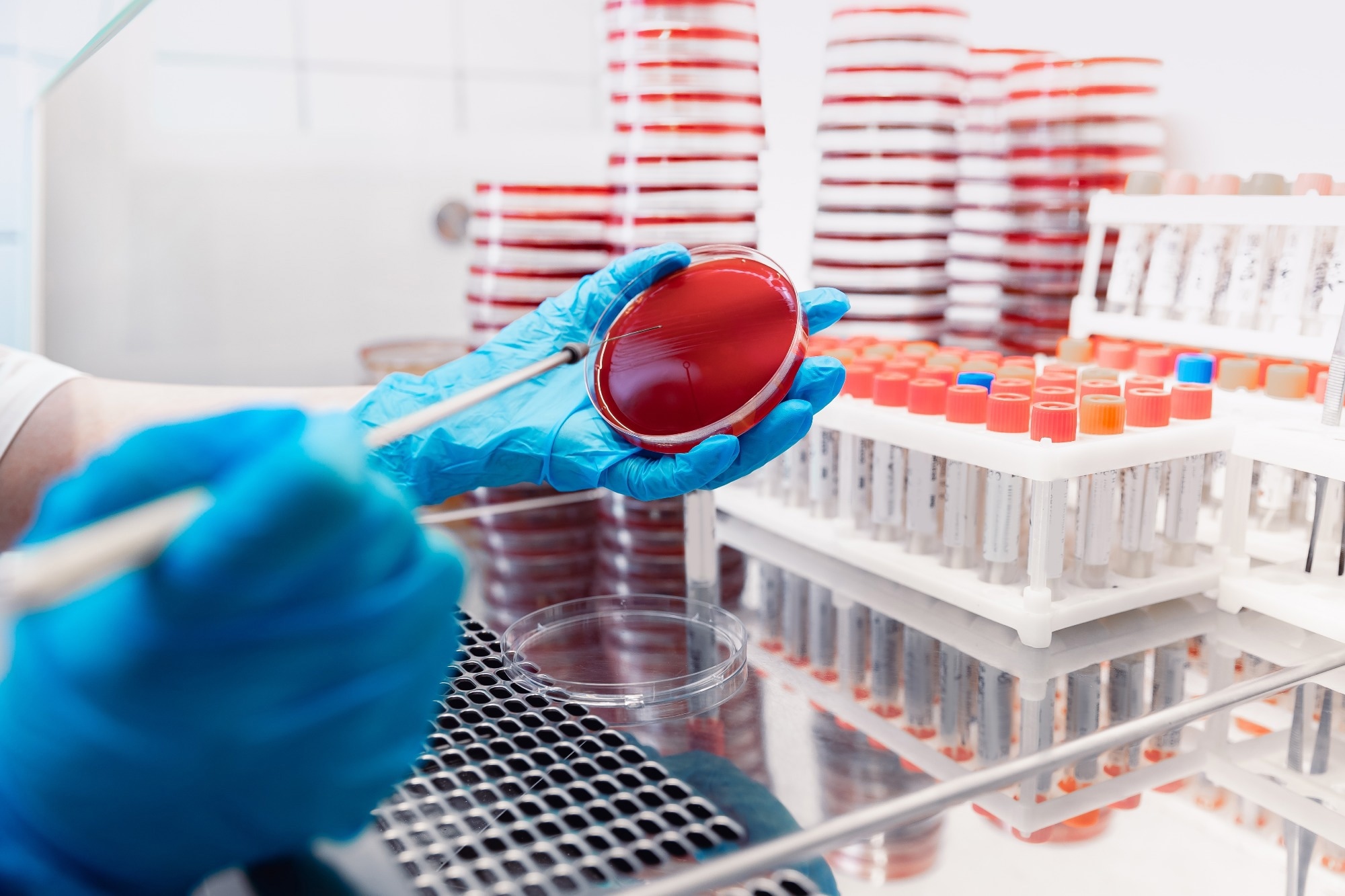
Image Credit: Parilov/Shutterstock.com
The detection of pathogenic bacteria at the microscale is an important frontier in modern diagnostics. Foodborne illnesses and infections caused by bacterial pathogens are major public health concerns that urgently require effective detection methods for accurate results within clinically relevant timeframes. Traditional culture-based techniques often involve long incubation times and require specialized laboratory setups, which can delay treatment and allow infections to worsen.1
Microfluidic biosensors are transformative platforms that miniaturize laboratory functions onto chip-based devices, offering rapid detection capabilities with minimal sample volumes. These systems integrate microscale fluidic channels with biorecognition elements, including antibodies, aptamers, enzymes, and nucleic acid probes, to selectively identify bacterial targets.
The convergence of microfluidics with advanced biosensing modalities creates opportunities for point-of-care diagnostics that function outside centralized laboratory settings.1,2
The Architecture and Operational Principles of Microfluidic Biosensors
Microfluidic biosensors precisely control the flow of fluids in channels that range from tens to hundreds of micrometers in diameter. The fundamental architecture combines sample preparation modules, biorecognition interfaces, and signal transduction elements on a single monolithic device.
Within these channels, biorecognition elements, such as antibodies, aptamers, phages, or lectins, are immobilized to selectively capture target bacterial cells, nucleic acids, or antigenic markers.1,3
As sample fluids flow through the microchannels, the biorecognition elements bind specifically to pathogenic targets, generating measurable signal changes that correspond to bacterial presence and concentration.
The reduced dimensions of microfluidic channels improve mass transport efficiency and reaction kinetics, enabling detection at lower biomass thresholds than conventional macroscale methods. This architectural approach supports integration of multiple analytical steps, including cell enrichment, nucleic acid extraction, amplification, and detection within a single continuous workflow.1,3
Optical Detection Modalities
Surface plasmon resonance (SPR) biosensors integrated with microfluidic platforms provide label-free detection of bacterial pathogens by monitoring refractive index changes at metal-dielectric interfaces. These platforms detect bacteria via localized surface plasmon resonance induced by gold nanorod arrays, enabling direct sampling of small fluid volumes without fluorescent tagging.
Recent advances in this domain have demonstrated the efficacy of cascaded plasmonic-liquid crystal biosensors that detect low concentrations of E. coli via localized surface plasmon resonance while simultaneously detecting higher bacterial concentrations via changes in light intensity.4
Fluorescence-based microfluidic systems use immunomagnetic separation and fluorescent labeling to accurately measure pathogens such as Salmonella typhimurium. Surface-enhanced Raman scattering (SERS) biosensors use plasmonic nanostructures to amplify Raman signals from bacterial cells, enabling detection of target bacteria via their unique spectral fingerprints.
Although label-free SERS biosensors can struggle with interference from complex food samples, label-based SERS methods using active reporter molecules maintain high sensitivity for detecting pathogens in challenging samples.5,6
Food Sensors, Explained: Smarter Safety from Farm to Fork
Electrochemical and Multimodal Approaches
Microfluidic biosensors based on electrochemical impedance spectroscopy are affordable tools for detecting bacteria. These sensors use specially designed cell-imprinted polymers as recognition elements. It mimics the size and shape of target bacteria, allowing for specific binding sites without the need for biological materials.
Scientists have achieved dynamic detection ranges spanning from 100 to 10 million colony-forming units per milliliter with statistically distinguishable bacterial counts.7
Microfluidic devices featuring functionalized electrodes with antibodies or aptamers can selectively detect bacteria through electrochemical signal transduction. Magnetic nanocomposite materials such as Fe3O4@COF-AuNPs, combined with triggering isothermal circular amplification, have shown detection limits as low as 10 colony-forming units per milliliter for E. coli, with analysis times of just one hour.8
Biosensors that incorporate multiple detection mechanisms on a single microfluidic platform improve diagnostic reliability by validating results through different pathways. Dual-modal sensors that use immunofluorescence and SERS simultaneously concentrate analytes at different microchannel locations for comprehensive pathogen characterization.9
Nucleic Acid Amplification on Chip
The integration of loop-mediated isothermal amplification (LAMP) units on microfluidic chips enables rapid nucleic acid-based pathogen detection without thermal cycling requirements.
LAMP technology amplifies target DNA under isothermal conditions at constant temperatures, making it compatible with portable microfluidic devices for point-of-care applications. These microfluidic platforms can simultaneously detect multiple pathogenic microorganisms with average detection times under thirty minutes.10
Similarly, when recombinase polymerase amplification is combined with microfluidic enrichment platforms, it can detect as few as 5 colony-forming units of Salmonella and 10 colony-forming units of Brucella per milliliter in complex samples like urine.
These methods use filter membranes to extract nucleic acids on the chip, so bacterial DNA can flow directly to the amplification and analysis chambers. Smartphone-connected systems with portable signal detectors can capture fluorescence images from the amplification process. This technology can identify eight foodborne pathogens with complete specificity in under 60 minutes.1,3
Get all the details: Grab your PDF here!
Smartphone Integration and Point-of-Care Applications
Smartphone-based microfluidic platforms have democratized access to sophisticated bacterial detection by leveraging the computational and imaging capabilities of mobile devices.
These systems use smartphone cameras and apps to capture and analyze signals from microfluidic chips, eliminating the need for expensive lab equipment.
With paper-based microfluidic chips and smartphone optical detection, users can count bacteria at the single-cell level in just 60-90 seconds per target. Moreover, smartphone applications help users position their devices correctly and process images, allowing them to automatically count spots to calculate how many bacteria are present.11,12
Portable microfluidic-integrated SPR can reliably capture and measure E. coli and Staphylococcus aureus at concentrations ranging from 105 to 3.2 × 10⁷ colony-forming units per milliliter in both phosphate-buffered saline and clinical fluids such as peritoneal dialysis fluid. These developments position microfluidic biosensors as viable tools for primary care settings and resource-limited environments where laboratory infrastructure is unavailable.6
Future Perspectives and Challenges
The continued evolution of microfluidic biosensing for pathogenic bacteria aims to improve detection sensitivity while ensuring ease of use in field settings.
Future advancements are expected to incorporate artificial intelligence (AI) for automated signal analysis and machine learning (ML) for pattern recognition in complex samples.
Developments in materials science may lead to more stable and specific biorecognition elements for bacterial targets. However, commercial translation of these technologies will require standardized manufacturing processes and performance validation across various clinical and environmental samples.
The intersection of these innovations promises to deliver sample-to-result systems that complete entire diagnostic workflows within microfluidic cartridges, enabling quick clinical decisions and timely treatment interventions for bacterial infections.1,3
References and Further Reading
- Zhang, J. et al. (2025). Microfluidic biosensors for rapid detection of foodborne pathogenic bacteria: Recent advances and future perspectives. Frontiers in Chemistry, 13, 1536928. DOI:10.3389/fchem.2025.1536928. https://www.frontiersin.org/journals/chemistry/articles/10.3389/fchem.2025.1536928/full
- Zhang, J. et al. (2025). Advancements in microfluidic technology for rapid bacterial detection and inflammation-driven diseases. Lab on a Chip, 25, 3348. DOI:10.1039/d4lc00795f. https://pubs.rsc.org/en/content/articlehtml/2025/lc/d4lc00795f
- Yang, L. et al. (2021). Application of Lab-on-Chip for Detection of Microbial Nucleic Acid in Food and Environment. Frontiers in Microbiology, 12, 765375. DOI:10.3389/fmicb.2021.765375. https://www.frontiersin.org/journals/microbiology/articles/10.3389/fmicb.2021.765375/full
- Park, J. H. et al. (2022). Recent Advances in Surface Plasmon Resonance Sensors for Sensitive Optical Detection of Pathogens. Biosensors, 12(3), 180. DOI:10.3390/bios12030180. https://www.mdpi.com/2079-6374/12/3/180
- Karagianni, K. et al. (2025). Bacterial detection with electrochemical, SERS, and electrochemical SERS sensors. The Analyst, 150, 3762. DOI:10.1039/d5an00428d. https://pubs.rsc.org/en/content/articlehtml/2025/an/d5an00428d
- Tokel, O. et al. (2015). Portable Microfluidic Integrated Plasmonic Platform for Pathogen Detection. Scientific Reports, 5(1), 9152. DOI:10.1038/srep09152. https://www.nature.com/articles/srep09152
- Akhtarian, S., Brar, S. K., & Rezai, P. (2024). Electrochemical Impedance Spectroscopy-Based Microfluidic Biosensor Using Cell-Imprinted Polymers for Bacteria Detection. Biosensors, 14(9). DOI:10.3390/bios14090445. https://www.mdpi.com/2079-6374/14/9/445
- Zhang, J. et al. (2024). Ultrasensitive electrochemical biosensor for bacteria detection based on Fe3O4@COF-AuNPs and trigging isothermal circular amplification. Sensors and Actuators B: Chemical, 422, 136609. DOI:10.1016/j.snb.2024.136609. https://www.sciencedirect.com/science/article/abs/pii/S092540052401339X
- Ullah, N. et al. (2024). Multimodal Biosensing of Foodborne Pathogens. International Journal of Molecular Sciences, 25(11), 5959. DOI:10.3390/ijms25115959. https://pmc.ncbi.nlm.nih.gov/articles/PMC11172999/
- Shang, Y. et al. (2018). Loop-mediated isothermal amplification-based microfluidic chip for pathogen detection. Critical Reviews in Food Science and Nutrition, 60(2), 201–224. DOI:10.1080/10408398.2018.1518897. https://www.tandfonline.com/doi/full/10.1080/10408398.2018.1518897
- Dieckhaus, L., Park, T.S., Yoon, JY. (2021). Smartphone-Based Paper Microfluidic Immunoassay of Salmonella and E. coli. In: Schatten, H. (eds) Salmonella. Methods in Molecular Biology. Vol 2182. DOI:10.1007/978-1-0716-0791-6_9. https://link.springer.com/protocol/10.1007/978-1-0716-0791-6_9
- Wang, B. et al. (2023). Smartphone-based platforms implementing microfluidic detection with image-based artificial intelligence. Nature Communications, 14(1), 1341. DOI:10.1038/s41467-023-36017-x. https://www.nature.com/articles/s41467-023-36017-x
Disclaimer: The views expressed here are those of the author expressed in their private capacity and do not necessarily represent the views of AZoM.com Limited T/A AZoNetwork the owner and operator of this website. This disclaimer forms part of the Terms and conditions of use of this website.