In personalized biopharma, sensor technologies are advanced tools that capture biological signals, biomarkers, and treatment responses in real time, helping turn medicine from a standardized intervention into something far more adaptive and precise.
In practice, they give researchers and clinicians a clearer view of how therapies are working, supporting better decisions, stronger outcomes, and fewer adverse effects.1-3
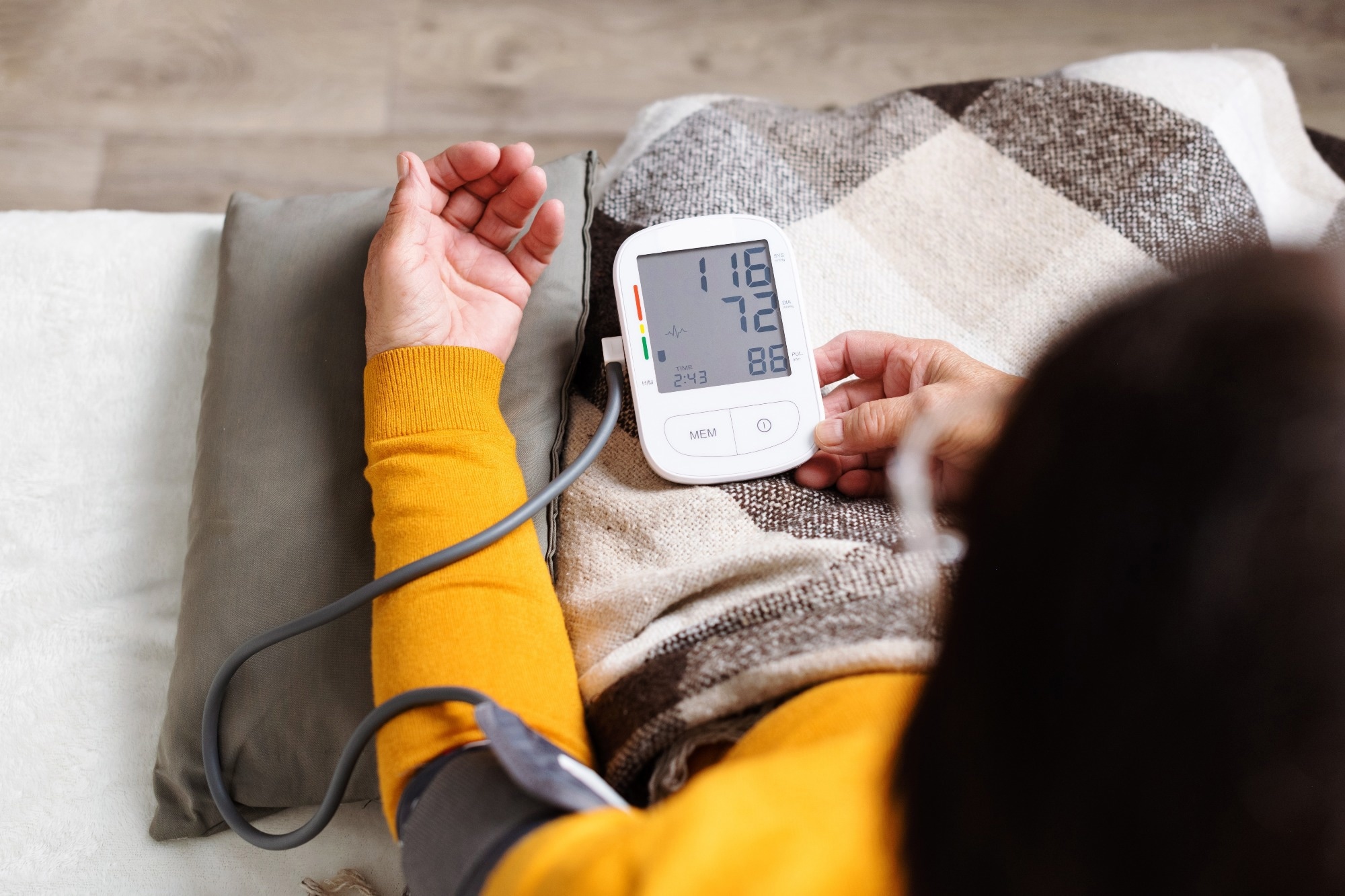 Image Credit: Oksana Klymenko/Shutterstock.com
Saving this article for later? Grab a PDF here.
Why do We Need Personalized Biopharma?
The push toward personalized therapy is creating demand for tools that can track how patients respond outside the clinic, not only in occasional appointments.
Sensor technologies in personalized biopharma help close this gap by generating continuous, patient-specific data on biomarkers, drug activity, and physiological change. They can support faster intervention, more precise dosing, and a model of care increasingly guided by real-time feedback rather than periodic snapshots.
How Sensor Tech is Expanding Personalized Biopharma
Non-Contact Biomonitoring and Drug Tracking
Wearable non-contact sensing technology continuously monitors drugs without direct contact with biofluids, reducing issues like sweat evaporation and contamination. It can analyze diverse physical parameters, including spectra, morphology, and heat distribution, and allows simultaneous detection of multiple drug molecules.
Its user-friendly design and ease of operation make it highly suitable for patients taking several medications. Non-contact sensing methods include optical and electromagnetic approaches, which detect optical signal/electromagnetic field changes while interacting with biological materials.3
Optical and Electromagnetic Sensing
Non-contact optical sensing is highly accurate, sensitive, and resistant to electromagnetic interference. It monitors physiological signals like respiration, blood pressure, heart rate, and blood glucose. Incident light interacts with target molecules, producing reflected/refracted light whose intensity and wavelength differences reveal characteristic absorption peaks.
Techniques like surface-enhanced Raman spectroscopy and infrared spectroscopy have been used in vivo to analyze metabolites. Electromagnetic sensing measures target molecules based on dielectric permittivity.
Resonant methods evaluate the interaction strength between the target and electromagnetic waves, while non-resonant methods depend on wave transmission characteristics. Terahertz (THz) waves (0.1-10 THz) provide unique fingerprint spectra with high transmission and low energy.
Case Study: Lactate Monitoring
One study in Biosensors has demonstrated non-invasive lactate monitoring in interstitial fluid using a chip-less tag resonator system, with resonant frequency changes proportional to lactate concentration, accurately measuring levels from 1 to 10 mM and enabling evaluation of aerobic exercise.3
Direct Sensing Technologies: Biofluids, Interstitial Fluid, and More
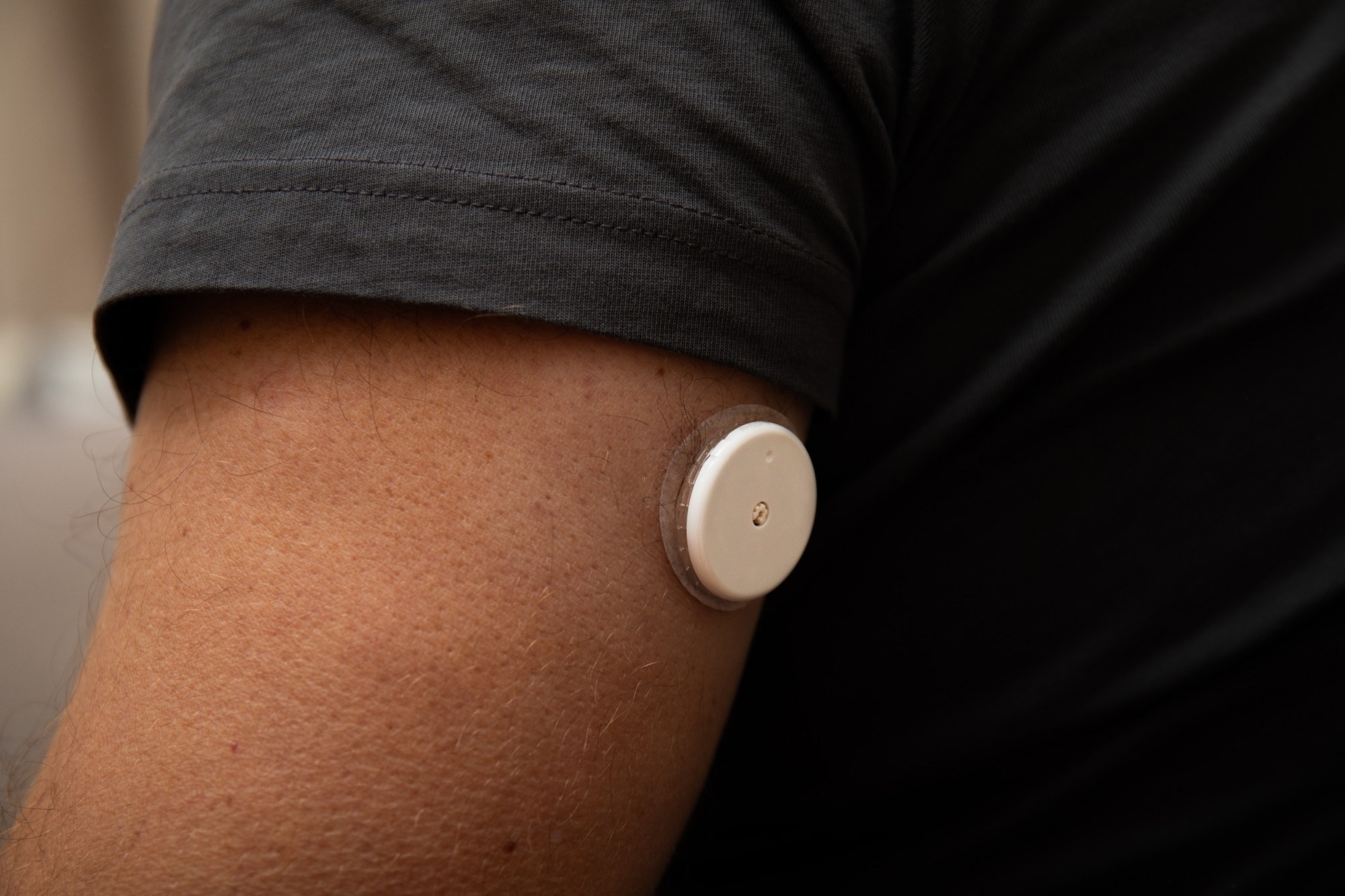 Image Credit: ProShine Studio/Shutterstock.com
Invasive sensing technology directly monitors biofluids like blood and interstitial fluid, detecting target molecule changes in real-time.
Penetration depth varies: interstitial fluid requires more than 2.3 µm of invasion, which corresponds to the stratum corneum thickness, while blood sampling requires insertion into superficial veins, which is a deeper invasion level. Initially used for glucose monitoring, wearable invasive sensors now track drug metabolism and integrate with drug delivery systems, advancing personalized medicine.3
Microneedles and Electrochemical Sensing
Contact and invasive sensing technologies detect target molecules through either electrochemical or optical methods. To monitor interstitial fluids using electrochemical sensing, microneedles serve as solid supports, with sensitive elements such as antibodies/aptamers/enzymes at their tips.
Typically 100-600 μm long and 50-200 μm wide, microneedles penetrate the stratum corneum and epidermis to access the dermis, avoiding nerves to minimize irritation and promote rapid healing. Microneedle fabrication methods include soft lithography, three-dimensional (3D) printing, and template modeling, producing single and arrayed structures from silicon/metals/conducting polymers.
Functionalizing microneedles with sensitive elements before using them in target molecular assays is an essential step. Enabling β-lactamase immobilization on microneedles in the previous Biosensor study, for example, allowed penicillin detection in interstitial fluids.3
Implantable Optical Sensors and Blood-Based Monitoring
Optical sensing implants sensitive elements in the body for constant drug monitoring.
Single-walled carbon nanotubes functionalized using deoxyribonucleic acid (DNA) measure changes in the chemotherapy drug doxorubicin concentration in interstitial fluid by red-shifting carbon nanotube photoluminescence’s emission and excitation wavelengths.
When blood is the test sample, flexible electrodes are delivered using catheters (<0.6 mm diameter) into blood vessels to contact drug molecules. However, the sensor implantation in the vein triggers inflammatory responses, which can be mitigated by anti-inflammatory materials, chemical surface modifications, and flexible materials that reduce the mismatch between the soft living tissue and the rigid implantable surface.
Blood’s complex composition, including sugars, lipids, and proteins, can introduce further interference, complicating accurate detection.3
Epidermal Sensing Technology and Wearable Monitoring
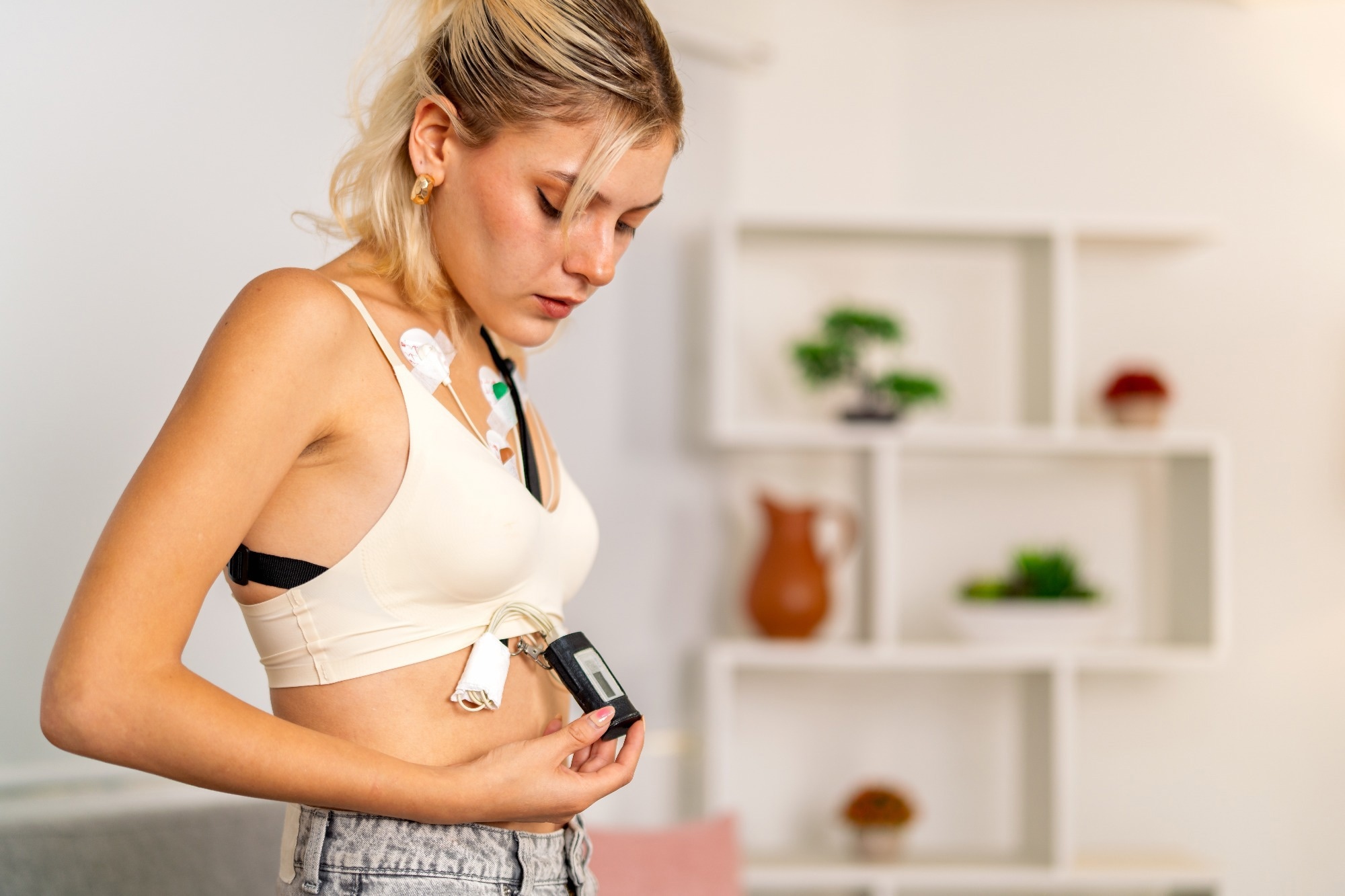 Image Credit: Guillermo Spelucin R/Shutterstock.com
Bodily fluids such as tears, sweat, and saliva can provide key health data and show linear correlations with blood levels. Epidermal sensing technologies detect target molecules by integrating sensitive elements on the skin/mucosal surfaces. Electrochemical and optical sensors are most common for their high sensitivity and accuracy.
Wearable sensor forms, including skin patches, gloves, and clothing, allow direct, convenient monitoring of secreted fluids without additional preparation. As a result, they enable fast and noninvasive health assessment.3
Optical Wearables: Colorimetric and Fluorescent Sensing
Wearable optical sensors rely on color change mechanisms between fluorophores/chromophores and target molecules in biofluids, enabling direct quantitative analysis via image analysis software. Colorimetric sensing relies on enzyme-substrate redox reactions.
For instance, glucose measurement uses enzymatic cascade reactions, turning o-dianisidine blue/iodine brown, while creatinine reacts with peroxidase-catalyzed creatinine acid to form a purple-red complex with 4-aminophenanthrene-4-aminophenazone. Fluorescence-based wearable sensors offer higher sensitivity and lower detection limits than colorimetric methods.
Unlike enzyme-dependent colorimetric reactions, fluorescent sensors covalently attached to biomarkers directly detect diverse molecules and ions in biofluids such as sweat and tears, improving accuracy and versatility in noninvasive monitoring.3
Electrochemical Wearables and Ion-Selective Detection
Electrochemical technology is a leading wearable sensing method due to its high sensitivity, rapid response, and excellent linearity, making it widely used across various applications.
In wearable monitoring, biosensors like aptamers, enzymes, and antibodies are immobilized on a transducer, and changes in current/potential are analyzed to quantify target molecule concentrations.
This technology offers accurate, reliable, and skin-compatible monitoring, demonstrating huge potential for diverse health and biochemical applications. Ion-selective electrodes (ISEs) measure the activity/concentration of specific ions by detecting the membrane potential, which is calculated using the Nernst equation. They are fabricated using ion-exchange carriers like carbon-based materials, conductive polymers, and nanomaterials.
Current research focuses on health-relevant ions, including potassium ions (K+), sodium ions (Na+), and lead ions (Pb2+).
For instance, a study developed sodium ion-selective electrodes using potassium tetrakis(p-chlorophenyl)borate (KTClPB) and sodium tetrakis-[3,5-bis(trifluoromethyl)phenyl] borate (NaTFPB) with a 6.5-11.8 mM detection range. Lithium ions have also been successfully monitored for bipolar disorder treatment.3,4
Enzyme-based Electrochemical Sensing
Enzyme-based electrochemical sensing detects target molecules by immobilizing specific enzymes on working electrodes, generating electrical signals upon recognition. Sensitivity depends on immobilization efficiency, enzyme stability, and electron transfer rates. Amperometric and potentiometric enzyme sensors have been developed for diverse metabolites, with glucose oxidase technology being the most advanced and commercialized.
Other enzymes include uricase for uric acid, lactate oxidase for lactate, and β-hydroxybutyrate dehydrogenase for ketones. β-lactamase and tyrosinase enzymes track β-lactam antibiotics and L-DOPA, respectively, for continuous drug monitoring.
Organophosphorus hydrolase is used to assay organophosphorus pesticides, preventing irreversible damage from high exposure.3
This eBook takes a deeper look at Biosensors, unpacking the future of smart diagnostics.
Where Sensor Technologies in Personalized Biopharma are Heading
Sensor technologies may revolutionize personalized biopharma. By enabling real-time, accurate detection of drugs, biomarkers, and physiological signals, these devices improve treatment precision, minimize side effects, and support patient-specific therapeutic strategies.
As these platforms become smaller, smarter, and easier to integrate into both care delivery and biopharmaceutical workflows, they are likely to play a larger role in making personalized therapy continuous, rather than episodic.
References and Further Reading
- Berg, C. (2025). The blueprint for personalized biopharma [Online] Available at https://www.pharmaceuticalprocessingworld.com/the-blueprint-for-personalized-biopharma/ (Accessed on 18 March 2026)
- Radenkovic, M. (2025). Biopharmaceuticals - Current Information and New Challenges. Scientia Pharmaceutica, 93(4), 59. DOI: 10.3390/scipharm93040059, https://www.mdpi.com/2218-0532/93/4/59
- Liu, Y. et al. (2023). Revolutionizing precision medicine: exploring wearable sensors for therapeutic drug monitoring and personalized therapy. Biosensors, 13(7), 726. DOI: 10.3390/bios13070726, https://www.mdpi.com/2079-6374/13/7/726
- Lim, H. R. et al. (2020). Wireless, flexible, ion-selective electrode system for selective and repeatable detection of sodium. Sensors, 20(11), 3297. DOI: 10.3390/s20113297, https://www.mdpi.com/1424-8220/20/11/3297
Disclaimer: The views expressed here are those of the author expressed in their private capacity and do not necessarily represent the views of AZoM.com Limited T/A AZoNetwork the owner and operator of this website. This disclaimer forms part of the Terms and conditions of use of this website.