Reviewed by Frances BriggsJan 8 2026Reviewed
A new portable biosensor can rapidly detect hazardous "forever chemicals" in water on-site, and could eliminate slow sample dispatch processes.
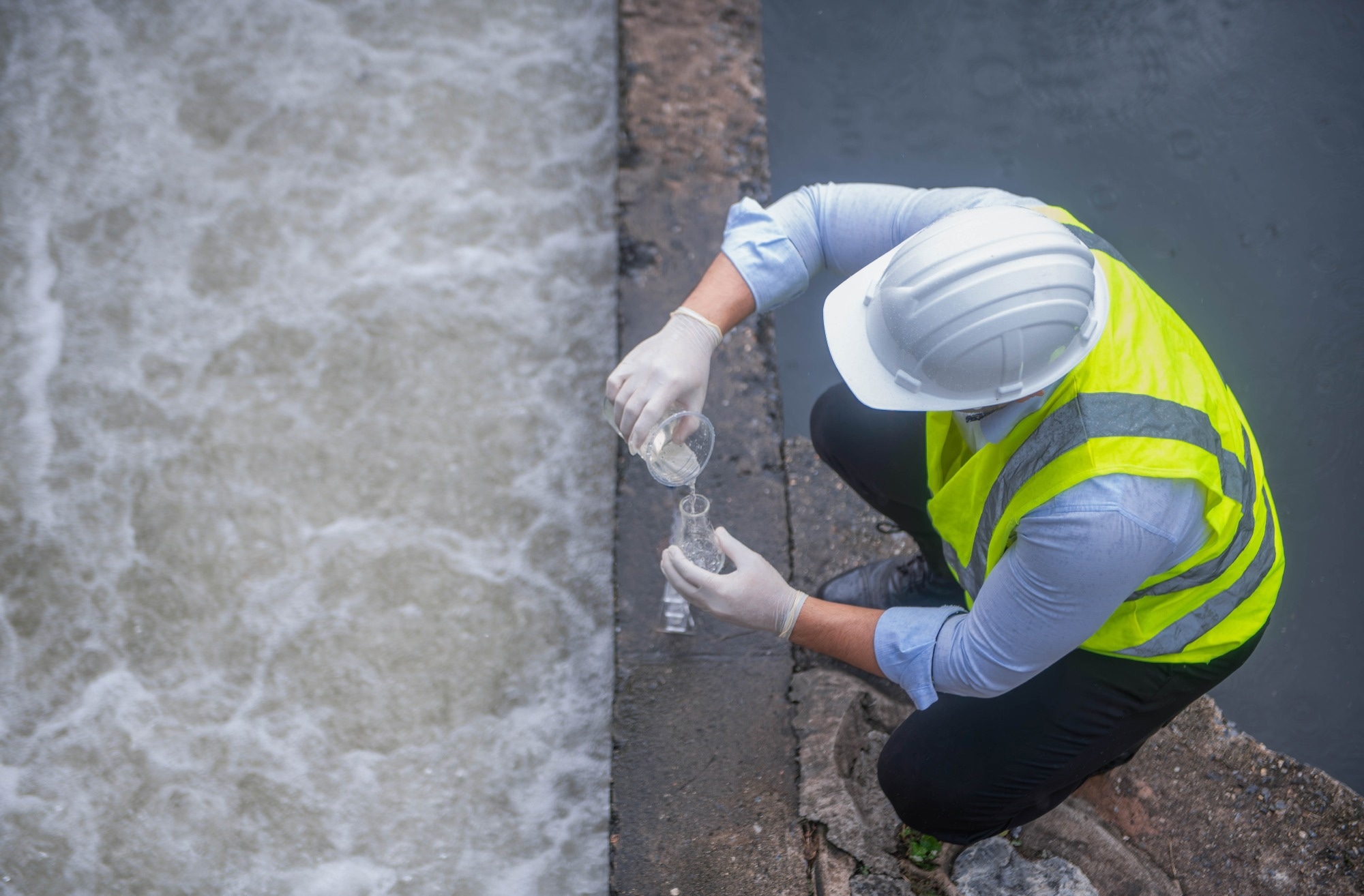 Study: Point-of-Need PFAS Detection: A Yes/No Biosensor Solution. Image Credit: Akarapon Thinakul/Shutterstock.com
The device has been designed by researchers at La Trobe University, who created the portable sensor, which may mean water samples no longer need to be dispatched to specialized laboratories. The study was published in the journal ACS Sensors.
This biosensor is engineered to identify per- and polyfluoroalkyl substances (PFAS), which encompass over 15,000 synthetic chemicals used in a range of products from firefighting foams to stain-resistant textiles.
PFAS are known for their remarkable persistence in the environment and have been associated with significant health hazards, such as cancer. In particular, the sensing device is capable of detecting PFOA (perfluorooctanoic acid), one of the most stringently regulated PFAS.
The research was conducted by Ph.D. student Henry Bellette and Dr. Saimon Moraes Silva, the Director of La Trobe’s Biomedical and Environmental Sensor Technology (BEST) Research Centre.
Bellette said that existing PFAS testing methods restricted the frequency and locations for water monitoring.
Most PFAS testing relies on expensive laboratory equipment and specialist analysis, which makes regular monitoring difficult. This biosensor could be used on site and provides a simple yes or no result, allowing water to be screened quickly and easily.
Henry Bellette, Study Head and Ph.D. Student, La Trobe University
PFAS contamination has been detected throughout Australia, particularly at locations where firefighting foams have been used, including airports, military installations, and fire stations.
Dr. Moraes Silva stated that portable screening instruments would be essential in addressing long-term contamination.
PFAS do not break down in the environment, so monitoring is an ongoing challenge. A portable screening tool could allow more frequent testing, particularly in regional and remote areas, and help identify where more detailed laboratory analysis is needed
Dr. Saimon Moraes Silva, Director, Biomedical and Environmental Sensor Technology (BEST) Research Centre, La Trobe University
The researchers hope for the technology to ultimately be integrated into a portable device designed for environmental monitoring and water screening.
Journal Reference:
Greene, W. G., et al. (2025) Point-of-Need PFAS Detection: A Yes/No Biosensor Solution. DOI: 10.1021/acssensors.5c03678.