Sensors printed on agricultural paper match conventional devices while cutting waste and supply-chain risk
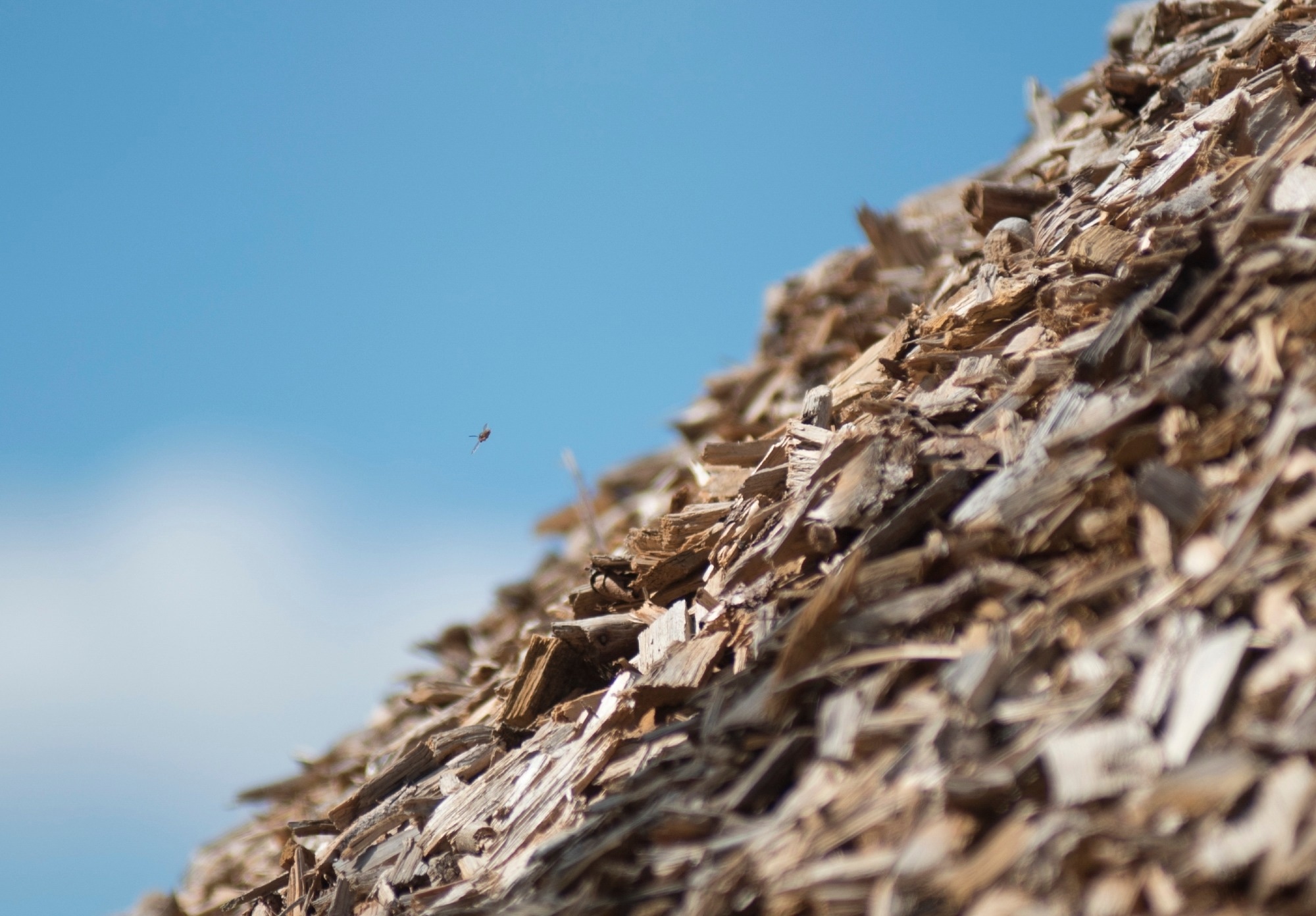 Study: Fully biodegradable printed electronic sensors based on biomass-derived graphene inks and agripapers. Image Credit: elmar gubisch/Shutterstock.com
Reporting in npj Advanced Manufacturing, researchers demonstrated a new class of high-performance electronic sensors made entirely from plant-derived materials.
The team shows that printed humidity sensors fabricated using agricultural paper and graphene inks sourced from biomass can match, or in some cases exceed, the performance of conventional printed sensors, while reducing reliance on critical minerals and non-recyclable substrates.
Get all the details: Grab your PDF here!
Printed electronic sensors are increasingly used in applications ranging from environmental monitoring and agriculture to healthcare and smart packaging. Their low cost and compatibility with large-scale manufacturing make them attractive for widespread deployment.
But most printed electronics rely on plastic substrates, silver inks, or mined graphite; materials associated with high energy use, supply-chain risk, and long-term electronic waste. As sensor networks grow ever more widespread, these environmental and resource challenges are expected to intensify.
The researchers behind this study set out to address the entire materials stack at once, replacing both the substrate and the conductive ink with components derived exclusively from renewable biomass.
What is Agripaper?
The sensor substrate is an “agripaper” produced from miscanthus and hemp, the fast-growing, drought-tolerant crops commonly used as biofuel feedstocks or industrial fibers.
Compared with traditional wood-based papermaking, these agricultural fibers require milder chemical processing due to their lower lignin content.
To make the paper suitable for high-resolution electronic printing, the researchers applied a thin coating of ethyl cellulose, a biodegradable and biocompatible derivative of cellulose.
The paper was then calendered - mechanically compressed using rollers - to produce a smooth, dense surface with a final thickness of 180 µm. This treatment prevents ink absorption while preserving the paper’s biodegradability.
Graphene Ink Sourced from Biochar
The electronic sensing layer combines cellulose nanocrystals (CNCs) derived from miscanthus with graphene nanoplatelets produced from hardwood biochar, a by-product of the biofuel industry.
Rather than using conventionally mined graphite, which is increasingly classified as a critical mineral, the team converted biochar into highly crystalline graphite and exfoliated it using CNCs as both a stabilizer and a functional sensing component.
The resulting graphene-CNC composite ink is dispersed in water with a small amount of Cyrene, a plant-derived solvent that improves print quality.
This dual-use role of CNCs is central to the device’s operation: they enable stable graphene inks while also providing the humidity sensitivity required for sensing.
How the Sensor Detects Humidity
The sensors were made via aerosol jet printing, a technique well suited to depositing nanomaterial inks with high precision and minimal waste. No post-printing heat treatment or additional processing was required.
At low humidity, the printed graphene nanoplatelets form a dense, electrically conductive network. As humidity increases, the hydrophilic CNCs absorb water and swell, disrupting the conductive pathways and increasing electrical resistance. Measuring this resistance change allows the sensor to track ambient humidity.
Despite being made entirely from plant-derived materials, the sensors delivered strong performance. They showed a relative resistance change of 2.6 across a humidity range of 35 % to 85 % RH, with response and recovery times of around one and four seconds, respectively.
Device-to-device variation was low, with a standard deviation of about 5% across six independently printed sensors.
The sensors also performed reliably during repeated humidity cycling and showed minimal sensitivity to temperature changes between 10 °C and 40 °C. The authors note that response and recovery times in humidity sensors depend strongly on testing conditions and are best interpreted comparatively.
Creating Fully Biodegradable Electronics
Previous printed humidity sensors, including those using carbon-based inks, have relied on plastic or composite substrates that limit recyclability. By contrast, this work demonstrates a fully plant-derived, compostable device architecture fabricated using scalable additive manufacturing.
By sourcing both the substrate and conductive ink from biomass, the approach reduces environmental impact, electronic waste, and dependence on mined materials with fragile supply chains.
The researchers argue that such value-added uses of agricultural residues and biofuel by-products could help align sustainability goals with economic incentives.
Journal Reference
Chaney L.E., et al. (2026). Fully biodegradable printed electronic sensors based on biomass-derived graphene inks and agripapers. npj Advanced Manufacturing 3, 3. DOI: 10.1038/s44334-025-00063-8