*Important notice: This news reports on an unedited version of the paper which has been accepted. and is awaiting final editing. Scientific Reports sometimes publishes preliminary scientific reports that are not fully edited and, therefore, should not be regarded as conclusive or treated as established information.
Carbon dot biosensor detects E. coli DNA at femtomolar levels without amplification, using fluorescence changes after probe-target hybridization to support portable water, food safety, and healthcare diagnostics field testing workflows.
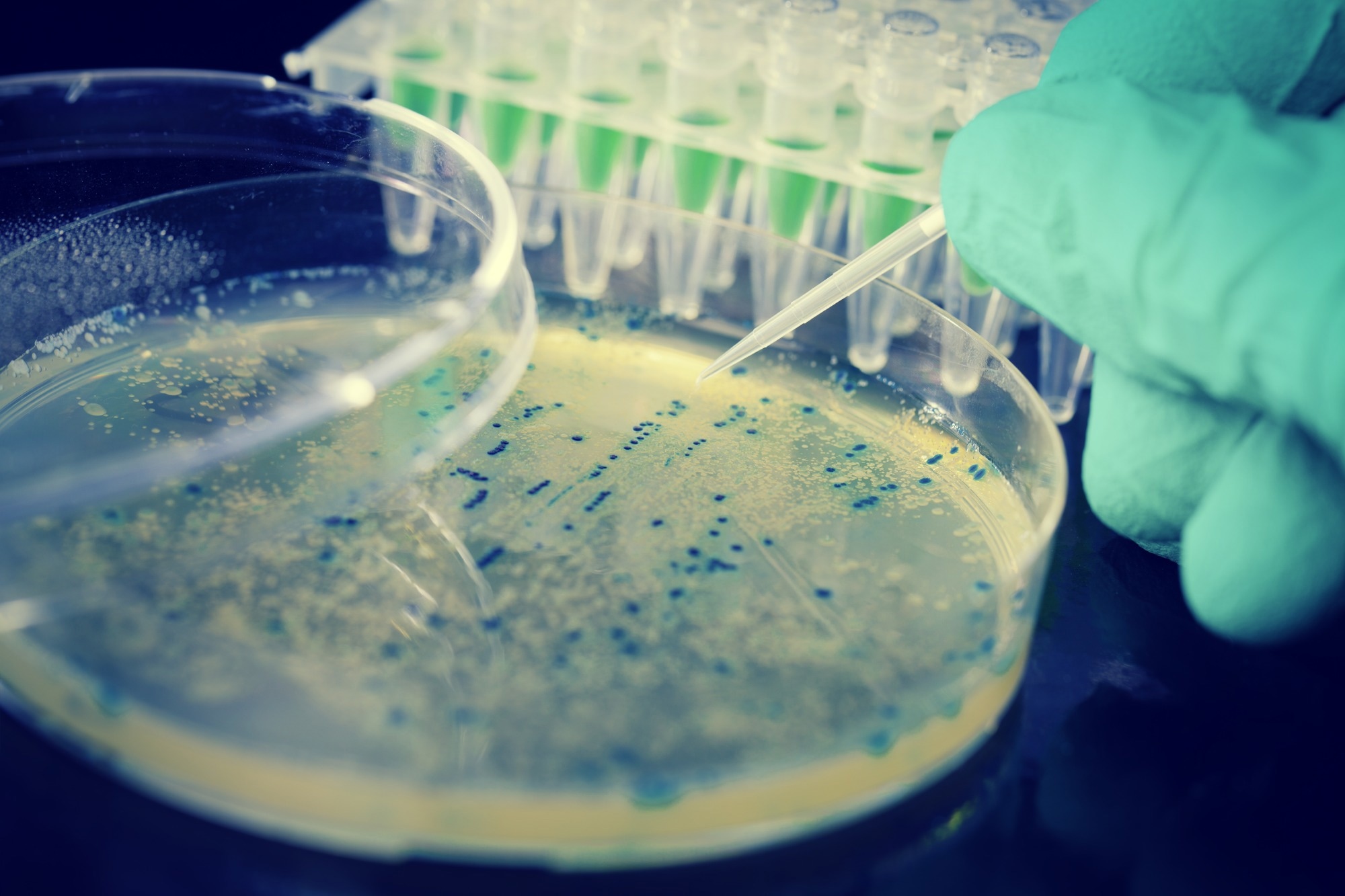 Study: Fluorescent carbon dot-based biosensor for the rapid and sensitive detection of Escherichia coli DNA. Image Credit: motorolka/Shutterstock
The rapid detection of pathogenic bacteria is a critical challenge in healthcare, food safety, and environmental monitoring. A recent study published in Scientific Reports introduced an amplification-free fluorescent biosensor for the ultrasensitive detection of Escherichia coli DNA (deoxyribonucleic acid). Utilizing hydrothermally synthesized, heteroatom-doped carbon dots as optical transducers, this platform enables highly selective nucleic acid recognition through photoluminescence changes induced by probe-target hybridization.
By eliminating the need for nucleic acid amplification while maintaining high sensitivity, the sensing system provides a portable and field-deployable diagnostic technology.
Challenge of Pathogenic E. coli Detection
Escherichia coli is a common biological contaminant found in food production systems, water supplies, and clinical settings. While many strains are harmless components of the normal microbiota, pathogenic variants can cause severe health issues. Rapid and accurate detection is essential for protecting public health and maintaining water quality standards.
Conventional detection methods rely heavily on selective culture media and colony counting, which typically require 24 to 72 hours for confirmation. Molecular techniques, such as quantitative polymerase chain reaction (qPCR), offer greater sensitivity but require specialized laboratory facilities, thereby limiting their suitability for field applications.
Optical biosensors provide an attractive alternative by combining biological recognition elements with optical transducers that convert molecular binding events into measurable signals. This approach enables rapid analysis, simplified workflows, and portable diagnosis.
Fabrication of Carbon Dot-Based Sensors
Researchers fabricated fluorescent carbon dots via hydrothermal synthesis. They dissolved chitosan, citric acid, and thiourea in deionized water, stirred the mixture overnight, then transferred it to a Teflon-lined autoclave and heated it for 6 hours. After treatment, the solution was centrifuged to isolate the fluorescent carbon dots from the liquid supernatant. An amino-terminated oligonucleotide probe targeting a specific E. coli DNA sequence was immobilized on the carbon dot surface to promote efficient target recognition.
Bacterial genomic DNA was extracted using a lysis protocol with lysozyme, sodium dodecyl sulfate, and Proteinase K, followed by purification via chloroform-isoamyl alcohol extraction and ethanol precipitation. Fluorescence measurements were collected to monitor photoluminescence changes associated with probe-target hybridization.
The carbon dots were characterized using field-emission scanning electron microscopy, energy-dispersive X-ray spectroscopy, and X-ray diffraction, confirming the successful incorporation of sulfur and oxygen heteroatoms within the carbon framework. Fourier-transform infrared spectroscopy verified the presence of surface functional groups, while dynamic light scattering indicated the formation of stable nanoparticle aggregates.
Furthermore, when complementary E. coli DNA was introduced, Watson-Crick base pairing occurred with the immobilized probe strands, resulting in a pronounced increase in photoluminescence intensity. The biosensor showed a linear detection range of 50-250 fM and a limit of detection of 38.36 fM, showcasing its capability to detect trace levels of bacterial DNA without enzymatic amplification or secondary labeling.
Evaluating Performance in Environmental Contexts
To assess real-world applicability, the biosensor was tested using environmental water samples spiked with target DNA. The platform showed strong matrix tolerance and reliable recovery rates across drinking water, tap water, and natural lake water samples. Although lake water showed low recovery due to interference from dissolved organic matter and mineral ions, overall performance remained within acceptable limits for pathogen detection.
Download the PDF of this page here
Control experiments using non-complementary DNA sequences produced negligible signal responses, confirming that fluorescence changes originated from sequence-specific hybridization. These results highlight the sensor’s suitability for water quality monitoring.
Applications in Healthcare and Food Safety
Beyond environmental surveillance, the technology has strong potential for healthcare diagnostics and food safety testing, where rapid detection of pathogenic bacteria is essential. The combination of straightforward fabrication, high repeatability, low cost, and strong analytical performance positions carbon dot-based biosensors as attractive candidates for point-of-care diagnostics and routine environmental monitoring.
Conclusion and Future Directions
In summary, this study validates a low-cost, label-free carbon dot biosensor capable of detecting bacterial DNA at femtomolar concentrations without requiring complex procedures. Stability assessments conducted over four weeks under refrigerated storage showed no significant loss in analytical performance, demonstrating excellent shelf life and repeatability.
Future work should focus on developing multiplexed sensor arrays to detect multiple pathogens in a single sample simultaneously. Overall, the findings highlight the potential of carbon-based nanomaterials for developing rapid, portable, and highly sensitive biosensing platforms for environmental, food safety, and healthcare applications.
Journal Reference
Hoang, C.N.M., & et al. (2026). Fluorescent carbon dot-based biosensor for the rapid and sensitive detection of Escherichia coli DNA. Sci Rep. DOI: 10.1038/s41598-026-55492-y, https://www.nature.com/articles/s41598-026-55492-y
Disclaimer: The views expressed here are those of the author expressed in their private capacity and do not necessarily represent the views of AZoM.com Limited T/A AZoNetwork the owner and operator of this website. This disclaimer forms part of the Terms and conditions of use of this website.