*Important notice: This news reports on an unedited version of an accepted paper and is awaiting final editing. Therefore, the paper should not be regarded as conclusive or treated as established information.
Researchers have developed a miniature, magnetic, kirigami-based wearable sensor for non-invasive sap-flow monitoring in fragile cereal crops such as rice. Their study, published in the journal npj Flexible Electronics, described an ultralight device that tracks internal water movement without damaging plant tissue. The sensor operated effectively under open-field conditions for around eight weeks, providing direct measurements of crop water status.
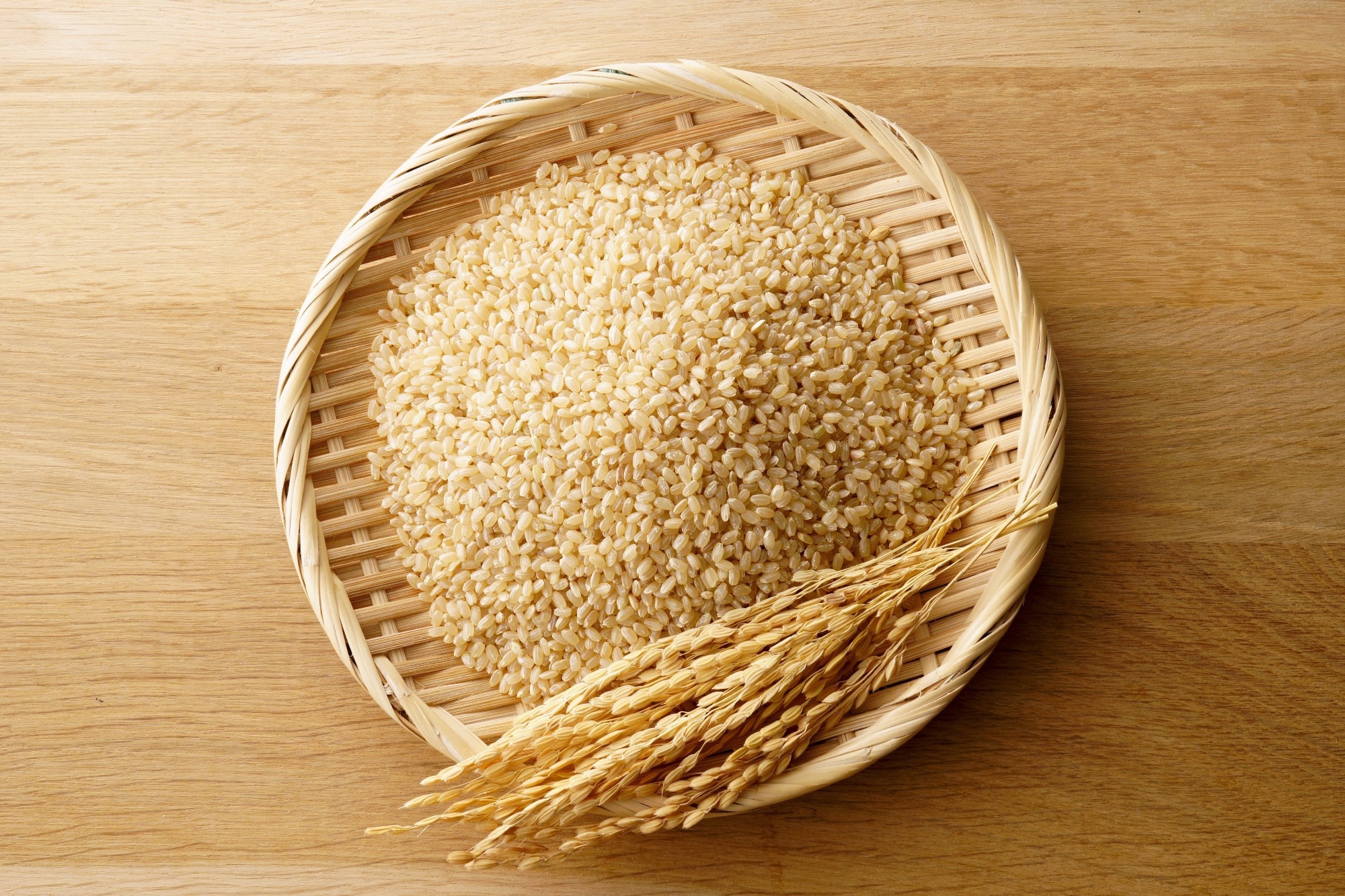 Study: Magnetic kirigami-based wearable plant sap flow sensor for fragile grass-like plants. Image Credit: K321/Shutterstock.com
By analyzing the relationship between sap velocity and solar intensity, the system detected drought stress with 93.22% accuracy, compared to 57.69% for conventional soil moisture monitoring. These findings demonstrate the potential of magnetic electronics for long-term plant health monitoring while preserving the structural integrity of delicate crops.
Challenges in Implementing Plant-Wearable Electronics
Plant-wearable sensors are emerging as important tools for smart agriculture and precision phenotyping. These miniaturized bioelectronic devices interface directly with plant surfaces to monitor parameters such as humidity, temperature, and internal fluid movement.
Among these measurements, stem sap flow is particularly valuable, as it reflects transpiration, water-use efficiency, and nutrient transport across the soil-plant-atmosphere continuum.
However, applying wearable electronics to crops like rice and wheat presents significant challenges. Plant stems have irregular microstructures, microgrooves, and waxy surfaces, and they continuously expand both radially and axially during growth. Conventional sensors often use polydimethylsiloxane, polyimide, and Ecoflex. These materials can restrict gas and moisture exchange, causing tissue damage during long-term attachment for monitoring.
Design and Fabrication of the Kirigami Sensor
To address these structural challenges, researchers developed a sensor measuring 31 × 16 × 1 millimeters and weighing just 0.44 grams. Its
mechanical backbone consists of a 500-micrometer-thick magnetic film patterned into equilateral triangular kirigami units. This stretchable structure provides multi-axis bending and tensile flexibility for stems ranging from three to nine millimeters in diameter, while enabling self-adhesion without any glue, ties, or tape.
The sensing circuit is fabricated from a 100 micrometer double-sided polyimide copper-clad laminate using precision laser micromachining. It is positioned on a neutral-plane island to minimize strain and maintain sensor alignment during stem movement and growth.
The circuit contains a central thermistor that functions as a microheater, situated between the upstream and downstream temperature sensors. Metallic thermal spreaders beneath the circuit distribute heating pulses and reduce heat accumulation in fragile rice stems.
A 500-micrometer-thick silicone aerogel layer provides thermal insulation against ambient fluctuations, while a moisture-resistant coating protects the electronics during field operation.
For validation, the sensor was calibrated on freshly harvested rice stems connected to micro-injection pumps and compared with gravimetric water-mass measurements. Field trials deployed 10 sensor units in outdoor paddy fields, with measurements recorded every 10 minutes. Furthermore, environmental condition data were simultaneously monitored from soil-moisture measuring probes, solar irradiance sensors, and temperature loggers.
Performance Validation and Drought Detection Accuracy
The sensor uses a thermal-pulse method in which an eight-second heat pulse induces a localized temperature change along the stem. The downstream-to-upstream temperature difference estimates sap flow over the range 0 to 128 microliters per minute, with a detection limit of 4.4 microliters per minute.
Get your free PDF copy of this page by clicking here!
The device maintained stable performance through 1000 cycles of stretching and flexing, repeated water immersion, and wind speeds up to four meters per second. Its kirigami structure achieved a vapor transmission rate of 20.45 milligrams per square millimeter over 10 days, much higher than standard materials.
Metallic thermal spreaders reduced the relative thermal standard deviation from 26.56% to 15.42%, thereby limiting local overheating. Chlorophyll fluorescence measurements showed no detectable physiological stress or growth impairment over 30 days of attachment, and the tissue remained free of visible necrosis after 15 days of continuous operation.
Outdoor trials demonstrated continuous tracking of daily transpiration patterns. Under well-watered conditions, sap flow closely followed solar irradiance, whereas drought-induced stomatal closure weakened this relationship.
By using a correlation coefficient of 0.3, the system detected drought stress with 93.22% accuracy, compared to 57.69% for conventional soil moisture monitoring. These results highlight that direct sap-flow sensing can provide faster detection of physiological drought than relying solely on soil moisture measurements.
Implications for Smart Agriculture and Crop Management
The sensor’s automated magnetic attachment and compatibility could make it a utile device for autonomous smart farming systems. By directly monitoring internal plant water movement rather than soil moisture signals, the platform could provide important information for future water-saving and precision-irrigation systems. Its flexible design could also be adapted for use with other crops.
This platform offers significant value for high-throughput crop phenotyping, enabling agronomists to continuously evaluate drought-resistant cultivars under changing field conditions. Monitoring sap flow could provide timely indications of changes in plant water status, potentially supporting earlier intervention during drought stress.
Potential Future Directions
This kirigami-enabled sensor demonstrates that wearable bioelectronics can provide long-term, non-destructive physiological monitoring on fragile crops under demanding conditions. By combining magnetic kirigami mechanics and micro-scale heat dissipation, the platform overcomes limitations that have previously restricted plant-wearable devices.
Future work should focus on integrating permanent micromagnets to optimize wrapping tension, developing auxetic kirigami geometries tailored for different crop species, and incorporating wireless communication for autonomous field monitoring.
Overall, scaling these sensors into continuous sap-flow networks could significantly improve water management and support crop resilience amid increasing climate variability.
Journal Reference
Zou, Y., et al. (2026). Magnetic kirigami-based wearable plant sap flow sensor for fragile grass-like plants. npj Flexible Electronics. DOI: 10.1038/s41528-026-00630-9. https://www.nature.com/articles/s41528-026-00630-9.
Disclaimer: The views expressed here are those of the author expressed in their private capacity and do not necessarily represent the views of AZoM.com Limited T/A AZoNetwork the owner and operator of this website. This disclaimer forms part of the Terms and conditions of use of this website.