Most microbiological analyses today require a process that includes sample collection, shipping to specialized laboratories, the use of very expensive equipment, and long waiting times to receive a diagnosis. To overcome these barriers, the technology center Tekniker, a member of the Basque Research and Technology Alliance (BRTA), has investigated, as part of an industrial project and in collaboration with Erreka Medical and the Gaiker technology center, the integration of genetic technologies and electrochemical sensors in disposable microfluidic chips.
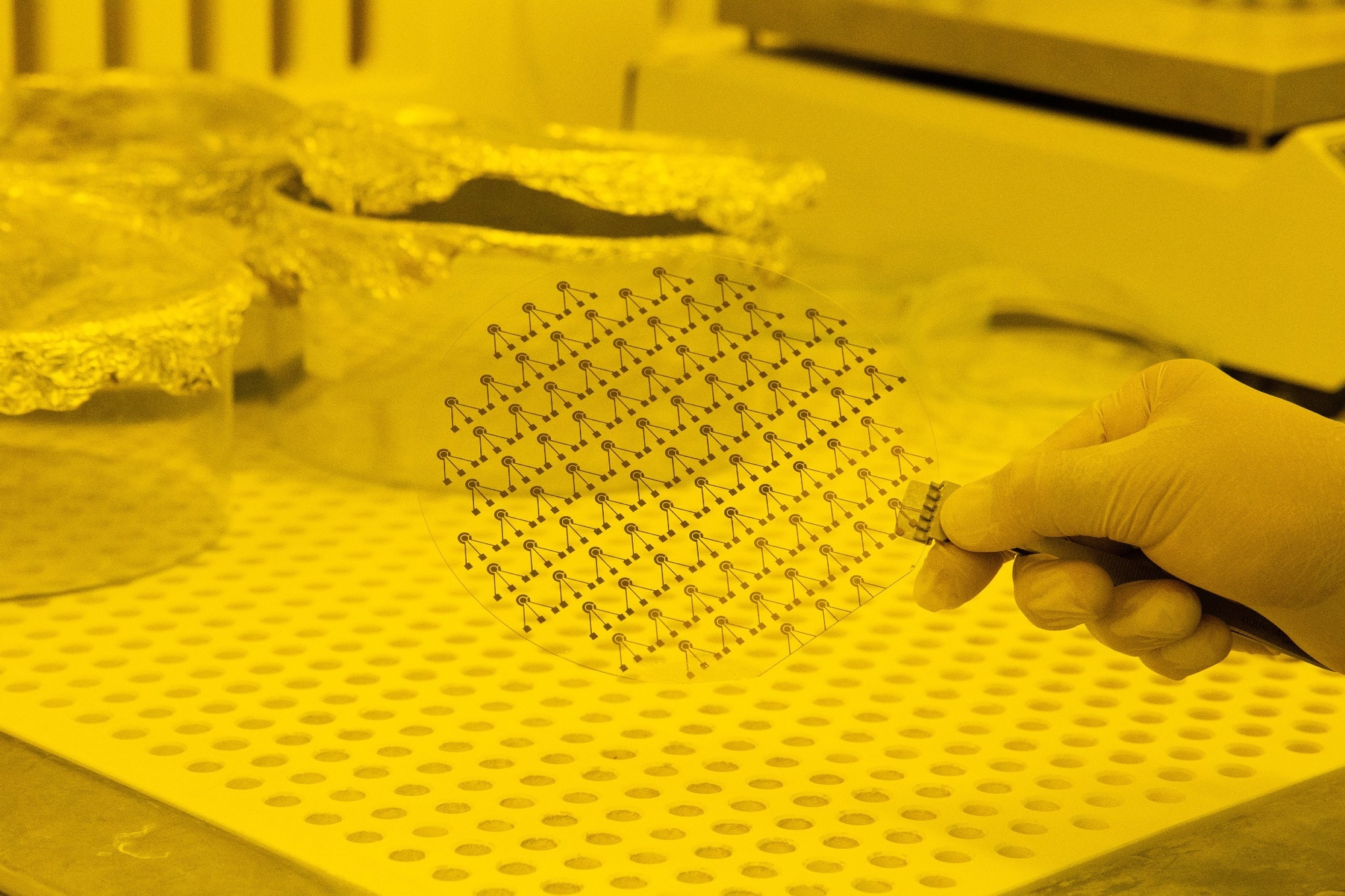 Image Credit: Tekniker
The result is a new generation of portable sensors capable of rapidly and directly detecting biological agents and pathogens at the actual risk point. In this case, the solutions have been validated using real samples from the agri-food sector as well as from closed water circuits in large infrastructures.
On one hand, in the agri-food industry, the technology is capable of detecting the bacteria Listeria monocytogenes in dairy products such as milk, cheese, kefir, or yogurt, with a detection limit of 1 CFU (Colony Forming Unit, a measure used to quantify the number of viable microorganisms capable of multiplying and forming a colony in a culture medium) per 25 grams, strictly complying with current food safety legislation.
On the other hand, in water distribution systems in large buildings and facilities, the system monitors the presence of Legionella spp in the network water, achieving a sensitivity below 150 CFU per liter.
“In both scenarios, the device provides a rapid diagnosis in less than 30 minutes, enabling immediate decision-making and preventing possible contamination,” highlights Santos Merino, researcher at Tekniker.
To achieve these results, Tekniker has contributed its experience in different measurement principles and their integration into rapid diagnostic systems in the fields of health, agri-food, or environment, as well as its specialization in the development of electrochemical detection technologies and sensor validation.
After validating this technology in the agri-food and environmental fields, the next step is to extend its application to the healthcare sector for the early detection of microorganisms causing sepsis and their antimicrobial resistances, paving the way for the development of new rapid diagnostic tools that help improve clinical decision-making, reduce hospital stays, and optimize patient care.
Prominence at Biospain
The technological maturity achieved will have special prominence during Tekniker’s participation in Biospain 2026. The international fair, which will bring together the European biotechnology ecosystem in Bilbao from September 29 to October 1, will serve as the main showcase to highlight the center's diversification and its ability to transfer high-impact solutions to the health and prevention industries.
More about Tekniker
Tekniker is boosting the development of high added value industrial products and processes by applying technologies associated with advanced manufacturing, surfaces, materials and digitization. In its capacity as a leading technology centre, it has made available to the industrial fabric its specialized knowledge, solid technical capabilities and cutting-edge facilities to support industrial sectors in their transformation processes, from the moment an idea is conceived until it is implemented as a real and impactful solution.
Its mission is to help further economic growth and wellbeing by sustainably enhancing the competitiveness of companies for the benefit of society at large. Tekniker forms part of the Basque Research and Technology Alliance (BRTA), the Spanish Federation of Technology Centres (FEDIT) and the European Association of Research and Technology (EARTO).