Precise monitoring and recording of chlorine disinfectant levels in food washing processes is essential to maintain required safety and compliance levels. Failing to meet these stringent requirements may put consumer health at risk and expose food and beverage companies to substantial fines.
Before collaborating with Process Instruments (Pi), Whitby Seafoods spent hours manually evaluating and recording free chlorine levels in their onsite borehole water after treatment.
Because flow rates varied significantly and dosing was reactive, Whitby Seafoods often had to use municipal water to meet required residual-free chlorine levels, substantially increasing its water bills.
By installing the HaloSense residual free chlorine sensor and Pi’s CRIUS®4.0 controller, Whitby Seafoods upgraded its borehole disinfection system and enabled dependable chlorine dosing of its onsite water supply, independent of flow rate. This ensured constant and consistent adherence to food safety legislation.
In addition, the company achieved substantial cost savings by reducing reliance on municipal water, using onsite manual labor more efficiently, and precisely dosing costly disinfectant.
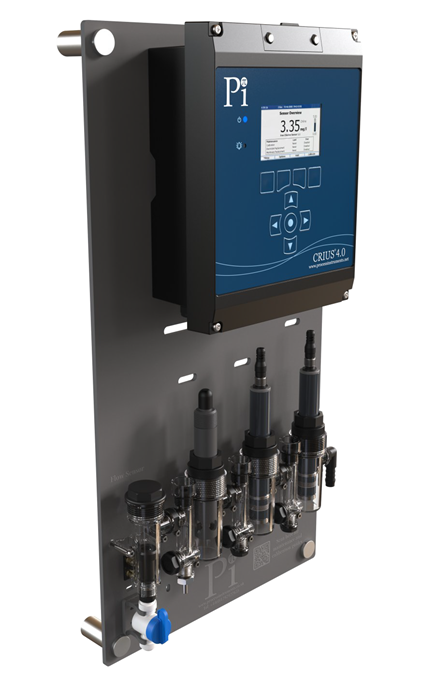
Figure 1. CRIUS®4.0 controller with HaloSense. Image Credit: Process Instruments (UK)
Since the installation of the Process Instruments controller, we have had great success in accurately maintaining a healthy free chlorine level in our treated borehole water. This along with the added online monitoring and email alarm system, has given us excellent peace of mind over the years.
Damon Wright, Senior Engineer, Whitby Seafoods

This information has been sourced, reviewed and adapted from materials provided by Process Instruments (UK).
For more information on this source, please visit Process Instruments (UK).