To address some of the limitations of visual assessment in conventional endoscopy, researchers have developed a novel bionic multichannel whisker system that provides real-time tactile feedback for minimally invasive instruments. Their system, published in the journal Cyborg and Bionic Systems, is inspired by rodent whiskers and designed to enhance endoscopic tools, potentially improving tissue assessment and procedural guidance.
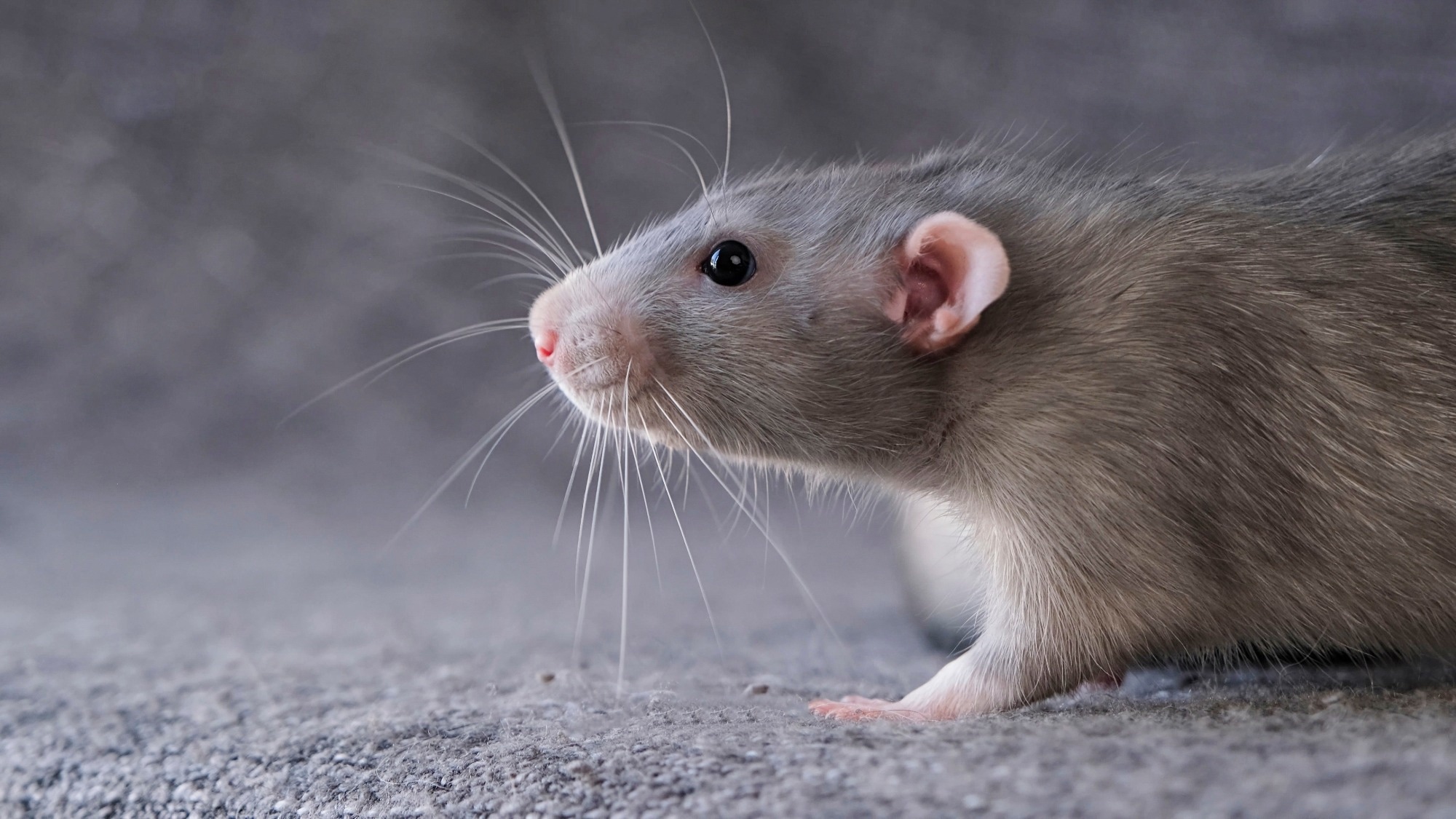 Study: A Bionic Multichannel Whisker System for Assisting Endoluminal Intervention. Image Credit: ilona.shorokhova/Shutterstock.com
Limitations of Visual Assessment
Legacy endoscopic systems have relied on high-resolution optical imaging to provide visual feedback. By providing minimally invasive access for direct visualization and treatment, endoluminal interventions have transformed the management of gastrointestinal diseases. However, these systems are limited in their inability to directly capture physical properties of the surrounding tissue, such as mucosal texture, stiffness, and fine structural variations.
These limitations can create diagnostic blind spots, making precancerous lesions and incomplete polyp resections difficult to identify when visibility is poor. Additionally, navigating tortuous anatomical pathways without mechanical feedback can increase the risk of complications such as tissue perforation. Complementary tactile sensing could help to address these limitations by providing information that conventional optical systems cannot capture.
Download a free PDF copy of this page by clicking here.
A Biomimetic Whisker Sensing System
Inspired by rodent navigation systems, the researchers developed an artificial multichannel whisker system designed as a sensing modality for existing endoscopic instruments.
The biomimetic system uses strain-gauge sensors with 0.16 millimeter acupuncture needles serving as whisker shafts. This diameter balances flexibility and responsiveness, allowing the shafts to deflect under light loads.
A dedicated signal-conditioning circuit converts mechanical deformation into electrical signals, minimizing temperature-induced drift and maintaining a low noise level of 0.41 microvolts RMS.
Two sensor mounts were developed: one for detecting fine mucosal texture and another with angled shafts for measuring radial forces and collisions during navigation. The navigation prototype had an outer diameter of approximately 15 millimeters.
A robust calibration algorithm was developed to compensate for manufacturing tolerances and differences between sensing channels, enabling synchronized data processing. The prototype was evaluated using robotic and manual actuation tests. A high-precision robotic arm and a simulated colon phantom were used to assess operational performance.
Texture Discrimination and Shape Reconstruction
Experimental evaluation of the artificial whisker sensors demonstrated performance across three tactile functions: texture discrimination, local
shape reconstruction, and radial contact sensing.
In surface-roughness tests, the sensor array distinguished five grades of abrasive material, ranging from coarse to highly uniform textures. The measured response frequencies varied with fine-scale differences in surface topography, demonstrating sensitivity to small surface irregularities relevant to mucosal tissue assessment.
For local shape reconstruction, the calibration algorithm improved measurement consistency when scanning objects with 1.5 millimeter stepped features. The calibrated system reduced the vertical-axis mean absolute error by 63.4%, from 2.22 millimeters without calibration to 0.81 millimeters. This improved mapping could help detect subtle luminal narrowing and low-profile protrusions that may be difficult to identify with conventional imaging alone.
Phantom-based navigation tests further demonstrated radial contact sensing within a light-contact force range of 0–0.02 newtons. The tactile array achieved a noise-limited force detection threshold of 10.8 micronewtons and identified transient collisions and increased wall pressure during simulated endoluminal insertion.
The system also differentiated smooth navigation from higher-contact insertion conditions in real time, demonstrating its potential to provide tactile feedback during minimally invasive procedures.
Implications of Tactile Sensing in Endoscopy
This tactile sensing modality could expand the capabilities of gastroenterology and minimally invasive surgical robotics by complementing conventional visual diagnostics with localized measurements of tissue and mucosal topography. These signals could help identify surface abnormalities and tissue changes that may be difficult to detect using optical imaging alone.
Multidirectional radial force sensing could improve navigational awareness during endoscopic procedures by providing continuous mechanical feedback during instrument insertion. This capability may help operators recognize wall contact, looping, or potentially hazardous trajectories, thereby reducing the risk of procedure-related injury.
Directions in Tactile-Augmented Surgical Robotics
This biomimetic multichannel sensing array demonstrates a potential approach to addressing some key mechanical limitations of conventional endoscopic systems by adding tactile information to optical observation. By combining sensitive sensing hardware with calibration algorithms, the system can effectively measure surface topography and radial contact forces, enabling a more comprehensive assessment of the endoluminal environment.
Future work should focus on miniaturizing the sensing mounts using microelectromechanical systems fabrication for integration with commercial endoscopes, applying deep learning to multimodal sensor data, and evaluating the system through biological testing. These advances could support the development of force-aware robotic endoscopic systems and facilitate more autonomous minimally invasive procedures.
Journal Reference
Wang, Z., et al. (2026). A Bionic Multichannel Whisker System for Assisting Endoluminal Intervention. Cyborg and Bionic Systems. 7. DOI: 10.34133/cbsystems.0616. https://spj.science.org/doi/10.34133/cbsystems.0616.
Disclaimer: The views expressed here are those of the author expressed in their private capacity and do not necessarily represent the views of AZoM.com Limited T/A AZoNetwork the owner and operator of this website. This disclaimer forms part of the Terms and conditions of use of this website.