Pi recently helped TCK Produce, based in Hayes, London, install chlorine and pH monitoring equipment for its food preparation operations. It was the first Pi system introduced at the site, with the aim of improving the precision and reliability of chlorine and pH management in the wash water used during food processing.
TCK Produce obtains mains water from Thames Water and adds chlorine until the concentration reaches approximately 200 ppm. A further dosing stage keeps chlorine levels above 180 ppm in the food dip tank.
Pi’s HaloSense is an amperometric chlorine sensor that is unaffected by pH fluctuations, requires no reagents, provides highly stable measurements, and helps lower maintenance and lifetime operating costs.
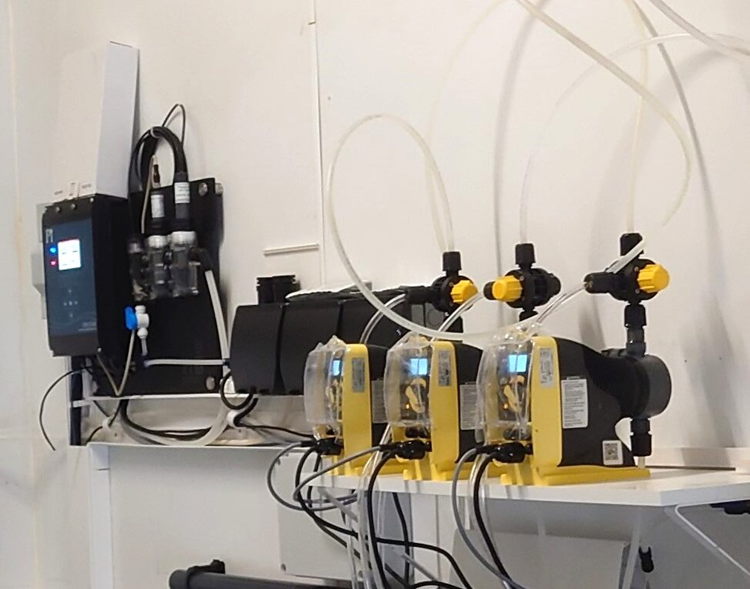
Pi’s HaloSense chlorine monitoring control system. Image Credit: Process Instruments (UK)
Pi supported the installation in November 2025, making sure that the equipment was correctly installed, calibrated, and connected to the existing dosing system. Once the equipment was operational, the site experienced immediate improvements in process control, helping to maintain consistent wash-water conditions during production.
Why Control Chlorine in Food Processing?
Chlorine is an important part of food washing because its concentration determines the sanitizing capability of the wash water. At TCK Produce, treating the incoming supply to approximately 200 ppm free chlorine provides a reliable baseline before the water reaches the preparation line.
Keeping the dip tank above 180 ppm gives operators greater assurance that the water satisfies customer expectations for hygiene and product quality. It also helps maintain effective disinfection when organic loading or water usage changes throughout production. At the same time, accurate control helps prevent excessive dosing, which may contribute to product damage and unwanted taste or odor complaints.
Why Monitor pH Alongside Chlorine?
Chlorine performance is strongly influenced by pH. Stable pH conditions make chlorine behavior in solution more predictable and help preserve its disinfecting capacity. TCK Produce therefore monitors pH to ensure the dosed chlorine continues to work consistently throughout the washing operation.
Maintaining a steady pH also improves the consistency of chlorine measurements. This allows operators to accurately manage the dip tank’s target of more than 180 ppm, without making unnecessary dosing changes or adding excessive chlorine.
How Does Automated Monitoring Improve Food Wash-Water Management?
Using chlorine alongside pH monitoring enables operators to respond quickly when wash-water conditions change. Automated monitoring can help ensure that:
- Chlorine concentrations remain within the specified limits
- pH stays stable, supporting predictable chlorine performance
- Wash water continues to meet customer quality requirements
- Dosing is managed proactively instead of reactively
TCK Produce’s feedback demonstrated these benefits, reporting an immediate improvement in process control after the installation. The company also showed interest in introducing ORP control for sodium metabisulphite used during dechloramination, which would allow additional process parameters to be automated.
Pi provides food preparation facilities throughout the UK with dependable chlorine and pH monitoring systems. These solutions are designed to improve wash-water consistency, minimize manual adjustments, and support compliance.

This information has been sourced, reviewed, and adapted from materials provided by Process Instruments (UK).
For more information on this source, please visit Process Instruments (UK).